Namwon K-Drama Day Trip: Visit Gwanghallu Garden
At a glance
- In shortA guide to K-drama filming locations and day trip activities at Gwanghallu Garden in Namwon.
- Best forK-drama fans looking for a historical day trip in Namwon
- RegionJeolla
- Featured inMr. Queen, The Red Sleeve, Love in the Moonlight
- Key pointsVisit iconic filming spots like Ojakgyo Bridge and Wanwoljeong Pavilion. · Reach Namwon in roughly two hours via KTX from Yongsan Station in Seoul. · Enjoy local Chueotang loach soup and stroll through Namwon Yechon.
- Heads-upVisitors are generally not allowed inside the elevated Gwanghallu Main Pavilion.
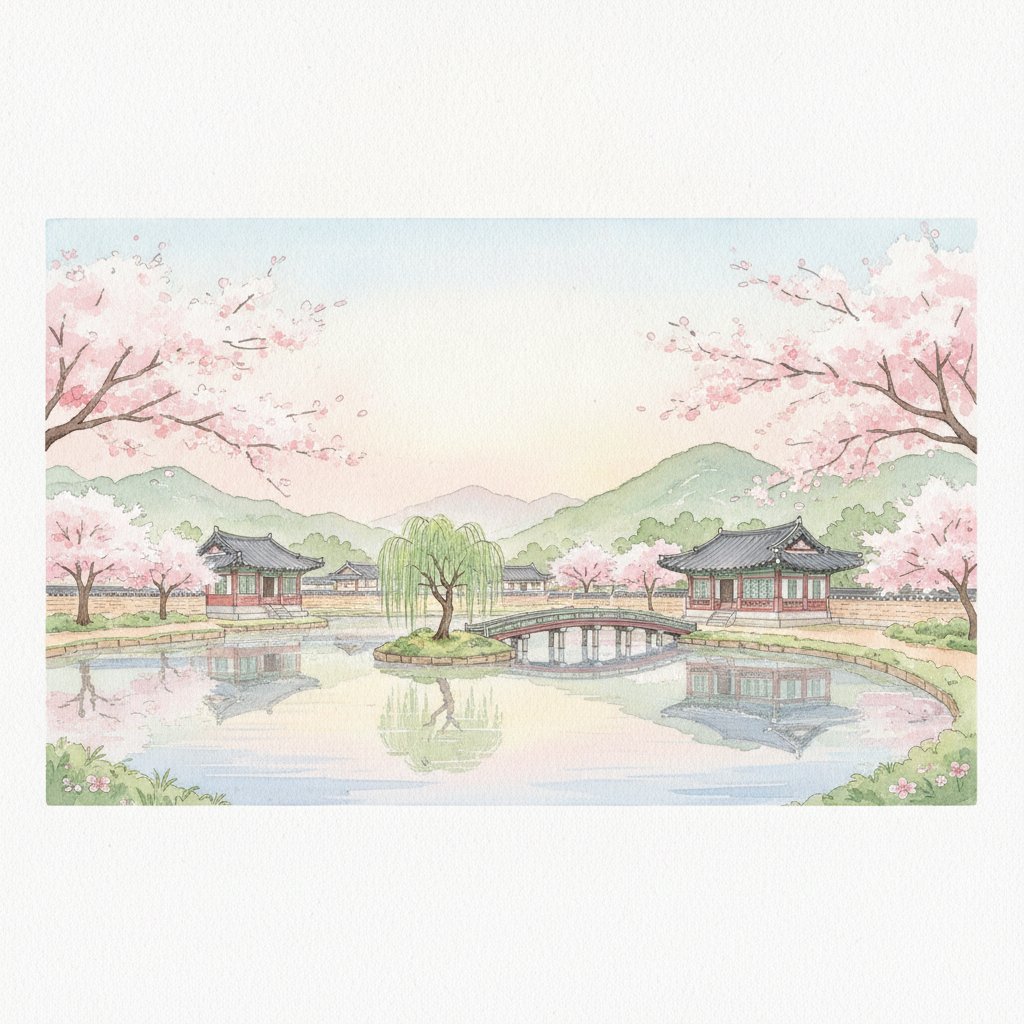
Stepping onto the arch of Ojakgyo Bridge on a crisp afternoon, you can almost hear the traditional flute melodies of a sageuk soundtrack swelling in the air. High trees drape weeping willow branches toward the water, casting reflections so still they look like painted silk. For decades, directors of Korean historical dramas have traveled down to Namwon in Jeollabuk-do whenever they needed a romantic, timeless backdrop. This small city in southwestern Korea holds a unique place in Korean culture as the legendary birthplace of Chunhyang, Korea’s most famous romantic folktale, making it the ultimate destination for historical drama fans.
If you have watched the time-bending comedy of Mr. Queen, the heartbreak of The Red Sleeve, or the youth-filled romance of Love in the Moonlight, you have already spent hours looking at Namwon without even realizing it. The sprawling heritage gardens here offer an authentic step back into Joseon-era architecture without the modern city skyscrapers popping up behind the rooflines, which is exactly why location scouts keep returning year after year. Let us look at the real-life locations you can explore on an easy day trip to Namwon.
Ojakgyo Bridge in Gwanghallu Garden
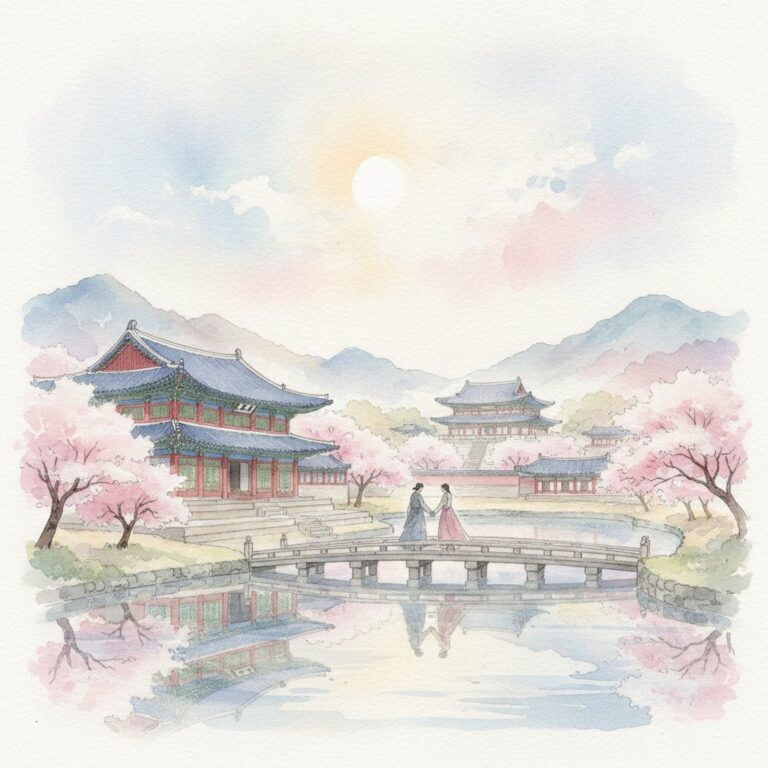
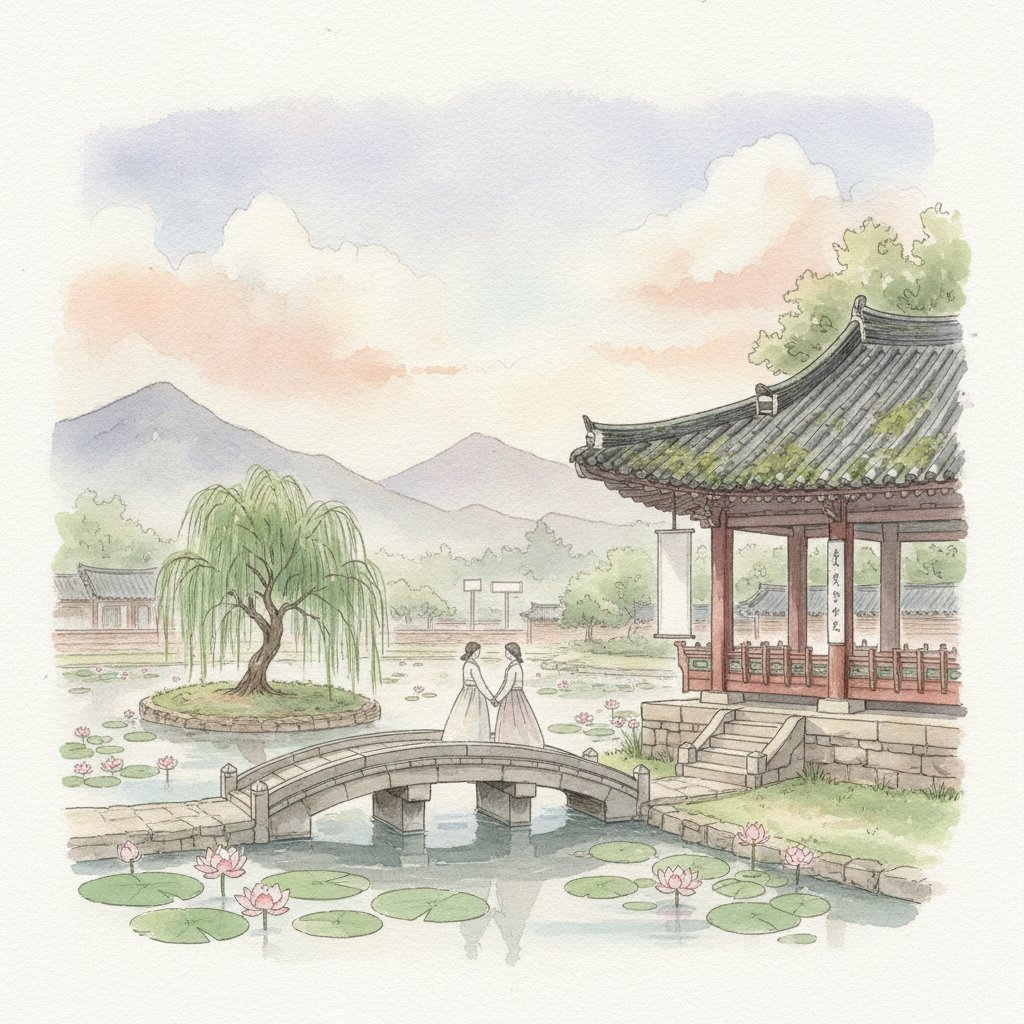
This iconic stone arch bridge is where some of the most memorable romantic strolls in Korean drama history were filmed. You will immediately recognize it from Love in the Moonlight, where Park Bo-gum and Kim Yoo-jung walked across the calm waters, as well as crucial bridge encounters in The Red Sleeve and Mr. Queen. In the shows, the bridge serves as a meeting point for royals and palace insiders sneaking away from the rigid protocol of court life.
In real life, Ojakgyo Bridge was built in 1582 by local magistrate Jeong Cheol. It holds deep cultural symbolism across Korea, representing the mythical bridge formed by crows and magpies so that the star-crossed lovers Gyyeonwoo and Jiknyeo could meet once a year during the Chilseok festival. Spanning 57 meters across the central pond, it is officially recognized as the longest stone arch bridge in any traditional Korean garden complex. Walking across its polished stone pavers offers a direct connection to both ancient mythology and modern television history.
How to Get There
Take a high-speed KTX train from Yongsan Station in Seoul directly to Namwon Station, which takes roughly two hours. From Namwon Station, walk outside to the local bus stop and board Bus 101, 131, or 220. Ride the bus for about 10 to 15 minutes and get off at the Gwanghalluwon Bus Stop. From there, the main entrance to the garden is a two-minute walk down the sidewalk.
✈️ Book your trip to Korea — hotels, flights & more
Wanwoljeong Pavilion
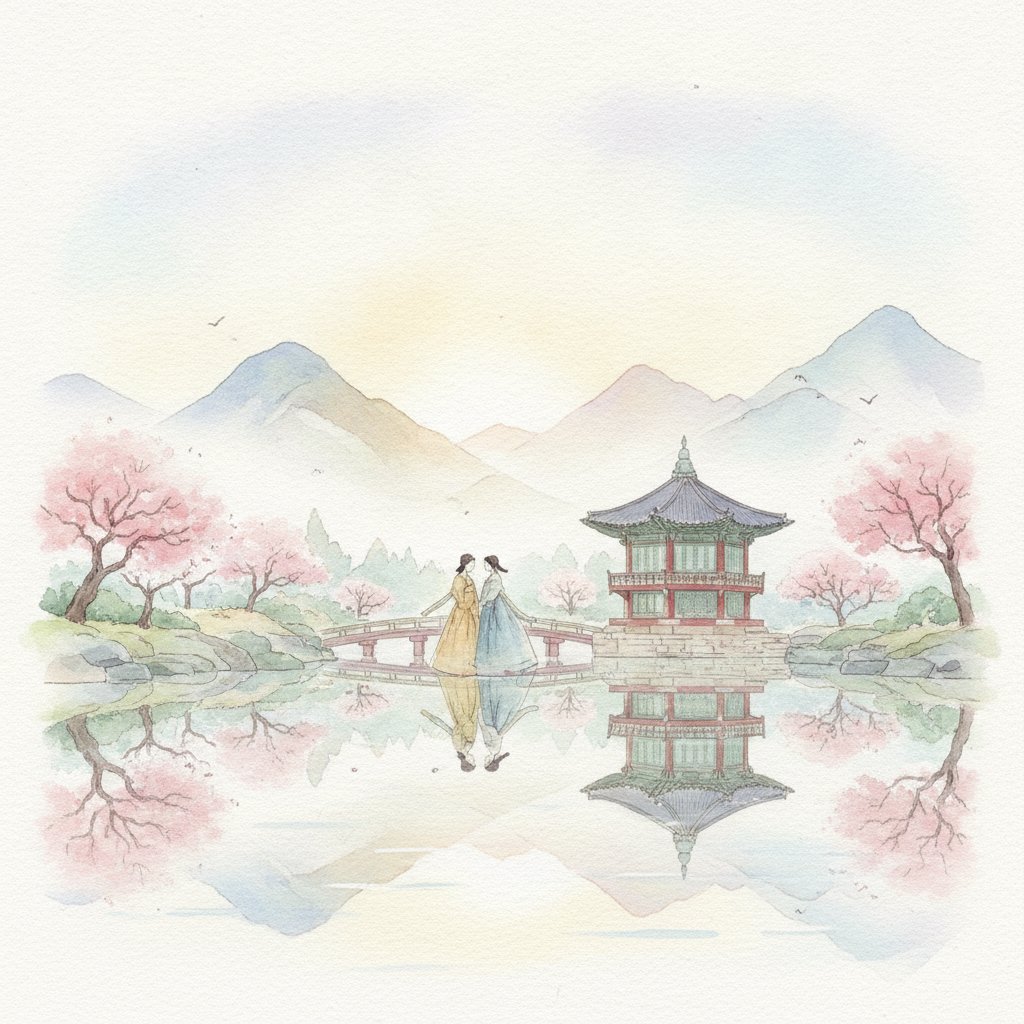
This magnificent two-story wooden pavilion sitting over the water made frequent appearances in Mr. Queen whenever Shin Hye-sun’s character wandered around the royal gardens plotting her next move. It also served as a backdrop in The King’s Affection for grand royal garden walks and quiet reflective scenes near the edge of the pond.
Unlike the centuries-old primary pavilion in the park, Wanwoljeong was constructed in 1971 to expand the garden grounds while honoring traditional Joseon architectural methods. Designed specifically to host the annual Chunhyang Festival performances, this open-air pavilion was built without walls on the ground floor so visitors could sit inside and admire the moon reflecting on the surface of the pond. The name Wanwoljeong literally translates to ‘Enjoying the Moon Pavilion.’ Standing on the surrounding grassy banks offers a perfect view of the intricate roof details reflected in the lotus pond below.
How to Get There
Wanwoljeong Pavilion is situated in the eastern section of Gwanghallu Garden. Once inside the main garden gate, follow the stone paved paths leading east past the central pond. It is easily reachable on foot within three minutes of entering the grounds.
Gwanghallu Main Pavilion
The main structure of the complex serves as the central piece in numerous period dramas, including 100 Days My Prince, The Tale of Nokdu, and Bossam: Steal the Fate. In these shows, the elevated pavilion usually doubles as part of the crown prince’s private retreat or a grand regional government office where high-stakes royal decisions take place.
Gwanghallu Pavilion itself carries a remarkable history dating back to 1419, when it was originally built by the prime minister Hwang Hui during the reign of King Sejong. Though damaged during historical conflicts, it was carefully restored in 1638 and remains one of the finest surviving examples of Joseon timber architecture. Legend says the structure was named after a fictional palace on the moon because of its breathtaking scenic harmony. While visitors are generally not permitted to walk inside the elevated wooden hall to protect the historic structure, the view from the surrounding lawn offers an incredible perspective of traditional craft and design.
How to Get There
The main pavilion sits right at the center of the garden, directly adjacent to Ojakgyo Bridge. It is the largest structure on the property and impossible to miss once you walk through the main entrance gates.
🎟️ Popular tours & experiences in Korea
Klook.comNamwon Yechon Hanok Village
Located right next door to the historical garden, this newly constructed traditional hanok area provides the cozy background alleys seen in various historical drama market scenes and evening strolls. The traditional wooden walls, paper lanterns, and stone pathways make it look like a pristine living set straight out of a production company’s studio.
Namwon Yechon is actually a traditional hanok hotel complex built by master Korean carpenters using ancient timber-frame construction methods without synthetic paints or modern adhesives. While parts of the village are reserved for overnight hotel guests, the outer pathways, traditional craft centers, and scenic streams flowing around the perimeter are open to the public. It offers a wonderfully peaceful walk where you can see how Joseon-era neighborhoods were designed, completely free from modern utility poles and parked cars.
How to Get There
Exit Gwanghallu Garden through the Rear Gate or North Gate. Namwon Yechon is directly across the street, less than a two-minute walk from the exit. Because it borders the main historic site, you do not need additional local transit to reach it.
Make a Day of It
Namwon is small enough that you can easily pair your K-drama tour with local culinary traditions and scenic walks along the river. The city is famous throughout Korea for its unique regional dish: Namwon Chueotang (spiced loach soup cooked with dried radish greens and fermented soybean paste). It is warm, savory, and rich in flavor. You will find a dedicated Chueotang Street located right outside the northern boundary of Gwanghallu Garden, filled with decades-old local restaurants serving hearty boiling pots alongside warm bowls of rice.
After lunch, cross the Seungsagyo Bridge spanning the Yocheon River to visit the Chunhyang Theme Park. Situated on the hillside across from the river, this park features recreated traditional village workshops, archery grounds, and interactive cultural exhibits dedicated to the story of Chunhyang and Lee Mong-ryong. It is a scenic hill walk that offers wide panoramic views of the entire city and the surrounding mountains.
For a comfortable pace, consider this simple daytime routing:
| Time | Activity | Location |
|---|---|---|
| 10:30 AM | Arrive at Namwon Station via KTX | Namwon Transit Hub |
| 11:00 AM | Explore Gwanghallu Garden & Ojakgyo Bridge | Gwanghallu Grounds |
| 1:00 PM | Enjoy regional Chueotang lunch | Chueotang Street |
| 2:30 PM | Walk around Namwon Yechon & Yocheon River | Namwon Yechon |
| 4:30 PM | Return to Seoul or continue southbound | Namwon Station |
Photo Tips
To recreate the striking visuals from The Red Sleeve and Mr. Queen, keep these photography recommendations in mind:
- The Arch Reflection Angle: Stand on the eastern shore of the central pond facing Ojakgyo Bridge around late afternoon. When the water is calm, the arch of the stone bridge and its water reflection combine to form a full circle, framing the historical trees behind it.
- Golden Hour Framing: Visit Wanwoljeong Pavilion about an hour before sunset. The warm light strikes the painted roof brackets under the wooden eaves, giving your photos the vivid, saturated color tones typical of modern Sageuk broadcasts.
- Hanbok Strolls: Rent a traditional Hanbok from one of the small rental shops operating near the front entrance of Gwanghallu. Wearing traditional attire allows you to capture authentic photos on Ojakgyo Bridge that look like actual screen captures from your favorite series.
FAQ
Which famous K-dramas were filmed at Gwanghallu Garden?
Gwanghallu Garden has hosted dozens of productions over the years. Some of the most popular dramas filmed here include Mr. Queen, The Red Sleeve, Love in the Moonlight, 100 Days My Prince, The King’s Affection, and The Tale of Nokdu.
How long does a day trip from Seoul to Namwon take?
A direct KTX train ride from Yongsan Station in Seoul to Namwon Station takes approximately 2 hours to 2 hours and 20 minutes each way. Because the main filming locations inside Gwanghallu Garden are situated close together in the city center, 4 to 5 hours in Namwon is plenty of time to enjoy a complete tour before returning to Seoul.
Is Gwanghallu Garden easy to navigate in traditional Hanbok?
Yes, the garden ground is largely flat with wide stone paths, unpaved earth trails, and short wooden bridges. Renting a Hanbok near the entrance is very common among visitors, and walking around the park in traditional dress is comfortable and accessible for all ages. Be sure to check operating hours and seasonal ticket guidelines prior to your arrival.
More on Historical Drama Sets
- Danyang K-Drama Filming Sites GuideA guide to K-drama filming locations, transport, and attractions in Danyang.
- Baekje Cultural Land K-Drama Trip GuideA guide to Baekje Cultural Land in Buyeo, featuring K-drama filming spots, directions, and a day trip itinerary.
- Oeam Folk Village K-Drama Day TripA guide to visiting Oeam Folk Village in Asan, a Joseon-era drama filming location, on a day trip from Seoul.
See every Historical Drama Sets post in our Day Trips guide.
Handy toolsK-Drama Location Finder
🎟️ Popular tours & experiences in Korea
Klook.comKeep Reading
- Euljiro K Drama Locations: Walk Through Vincenzo’s Geumga Plaza
- Yeouido Hangang Park K Drama Locations Walking Route
- Seochon K Drama Filming Spots Walk: Seoul’s Historic Alleyways
- Taean Beach Drama Locations in Camellia Blooms and Goblin
🎟️ Popular tours & experiences in Korea
Klook.com