Oeam Folk Village K Drama Day Trip from Seoul
Stepping into a Living Sageuk Set in Asan
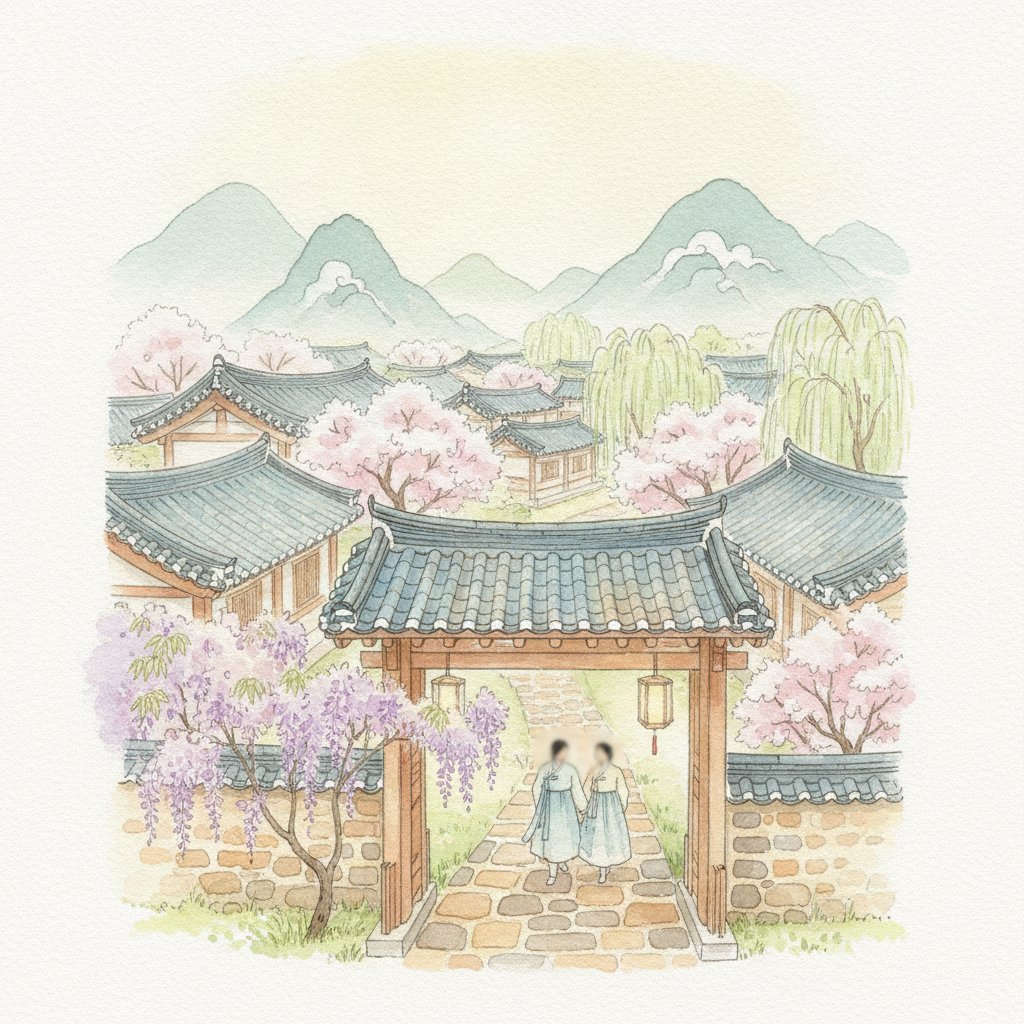
Walking through the low stone walls of Asan Oeam Folk Village feels like stepping directly into the frame of a Joseon-era historical television drama. Located in South Chungcheong Province roughly ninety minutes south of Seoul, this 500-year-old living heritage site has served as the backdrops for hit period shows including The King’s Affection, 100 Days My Prince, Tale of the Nine Tailed, and Under the Queen’s Umbrella. Unlike modern film studio backlots constructed from temporary materials, this authentic Yeo-hung Min clan village remains a real residential community where traditional straw-thatched cottages and noble tile-roofed houses stand side by side.
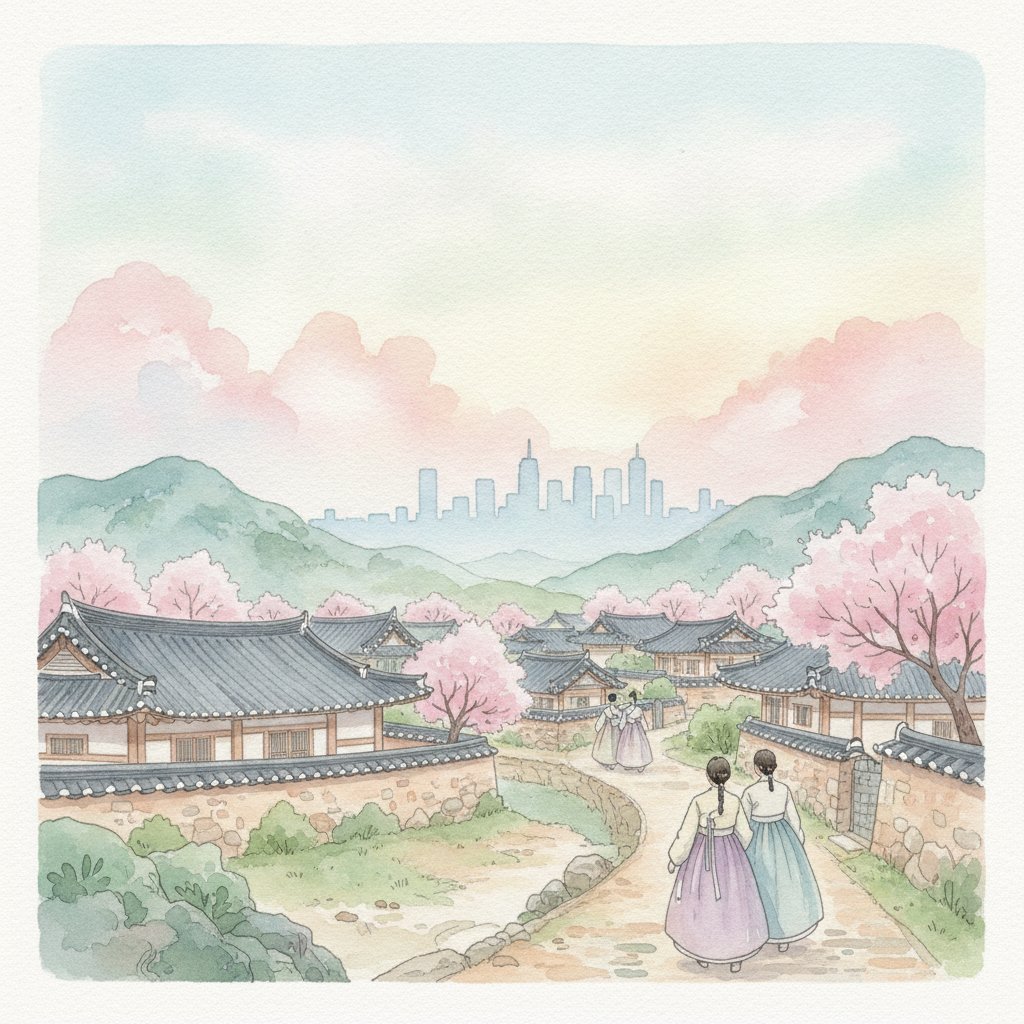
International drama fans love visiting this quiet village because the scenery feels untouched by time. Winding paths bordered by mossy stone walls extend over five kilometers throughout the settlement, lined with vegetable gardens, zelkova trees, and traditional wooden gates. When you wander these pathways in morning light, it requires zero imagination to envision royal characters escaping secret guards or commoners bustling through village life. Planning a day trip here is straightforward, making it an ideal escape from the metropolis for anyone looking to connect with Korea’s screen history.
✈️ Book your trip to Korea — hotels, flights & more
1. The Winding Stone-Walled Alleys (Doldam-gil)
In shows like 100 Days My Prince and The King’s Affection, characters frequently navigate intimate, quiet alleyways while concealing their true identities or sharing quiet moments away from the palace court. The low stone walls provide a signature backdrop that immediately signifies traditional Korean country life on screen.
In reality, these walls stretch over five kilometers, constructed using natural stones gathered from the surrounding farm fields centuries ago. The walls border actual family residences, framing historic tile-roofed mansions (giwa-jip) and humble straw-thatched homes (choga-jip). Because local residents still live in these properties, walking through the alleyways offers a genuine glimpse into living heritage rather than a static museum layout.
How to Get There
Take the KTX high-speed train from Seoul Station to Cheonan-Asan Station (approx. 35 minutes). From Cheonan-Asan Station, transfer to Seoul Subway Line 1 and take it two stops to Onyangoncheon Station. Outside Exit 1, head to the local bus stop and board Bus #100 or Bus #120. Ride for approximately 30 to 40 minutes and get off at the Oeam Folk Village (Oeam-ri) bus stop. Always verify local bus schedules on a Korean map app prior to departure.
2. Geonjae Historic House (Geonjae Gotaek)
This grand residence has appeared in numerous historical series, acting as the stately estate of high-ranking Joseon officials or wealthy scholars. Scenes involving formal family discussions, courtyard meetings, or peaceful reflections by garden ponds are often filmed around this particular estate.
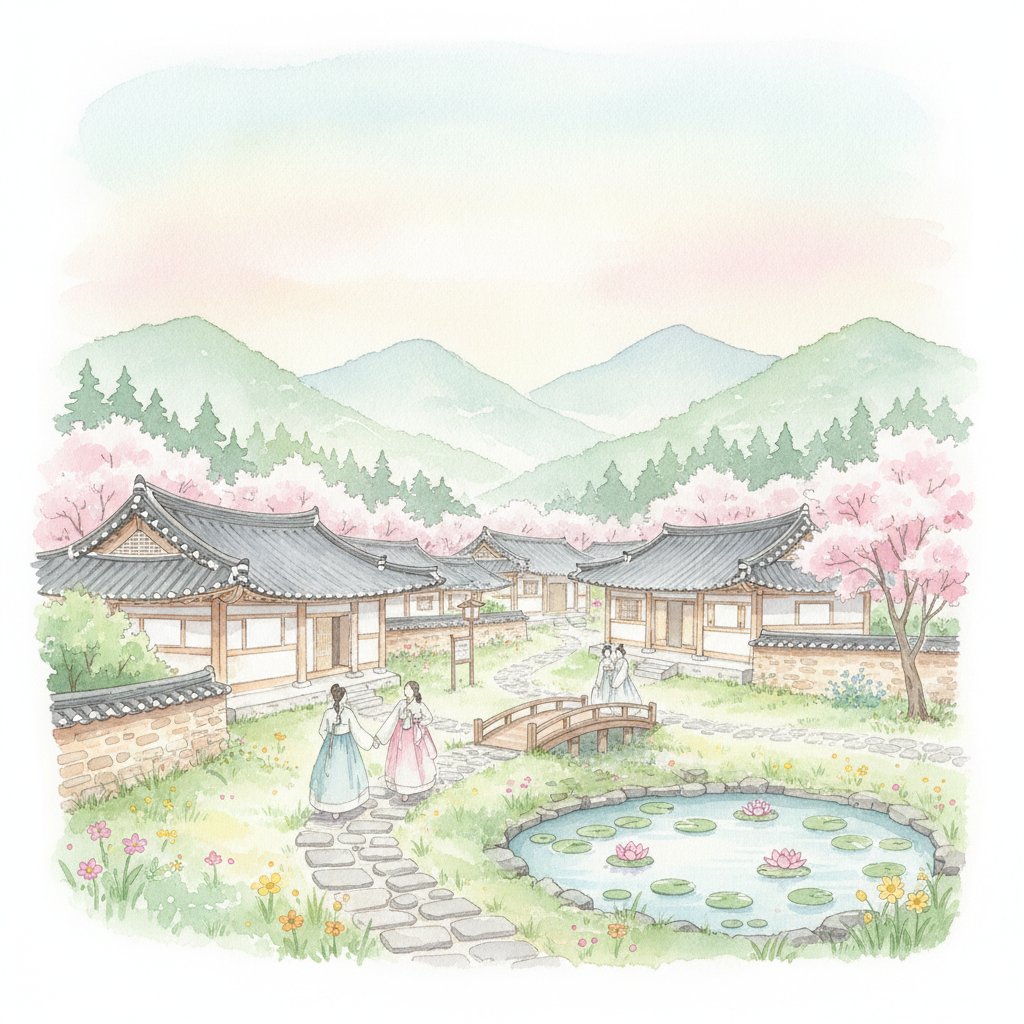
Geonjae Gotaek is recognized as one of the finest examples of late Joseon Dynasty upper-class (yangban) residential architecture. The estate features an exquisite traditional garden layout, complete with an artificial pond, pine trees, and stone bridges integrated seamlessly into the surrounding natural landscape. Please note that access to the interior garden and private residence areas can be restricted depending on ongoing preservation work or owner preferences, as it remains historic private property.
How to Get There
Once you enter Oeam Folk Village through the main bridge entrance, follow the main central walkway toward the upper northern section of the village. Geonjae Gotaek is situated near the center-top lane of the village area, marked by clear directional heritage signs written in Korean and English.
🎟️ Popular tours & experiences in Korea
Klook.com3. The Straw-Thatch Roof Neighborhood (Choga Area)
Whenever a drama needs to show commoners going about their daily routines, local markets, or humble village scenes—such as the rural life sequences in 100 Days My Prince—the straw-thatched section of the village is heavily utilized. The rustic, round-roofed houses create a cozy, nostalgic atmosphere that contrasts sharply with grand palace settings.
These houses feature authentic rice-straw roofs that require traditional re-matching and re-weaving every autumn after the grain harvest. The homes are surrounded by small working gardens growing red peppers, sesame, and green onions. Many of these straw-roofed spaces now offer heritage stay experiences or traditional craft workshops for visitors.
How to Get There
This area spans the central and southern sections of the village. From the main village entrance, branch off to the left pathways immediately after crossing the stream to enter the densest cluster of straw-thatched homes.
4. Oeam Stream Bridge and Waterwheel
This picturesque water crossing serves as the dramatic border point in period dramas where travelers arrive at a new village, cross paths with mysterious strangers, or bid emotional farewells. The combination of flowing water, timber construction, and background mountains creates an instant cinematic atmosphere.
The area features a clear stream (Oeamcheon) flowing down from Mount Gwangdeoksan, spanned by a wooden footbridge and flanked by a functional traditional wooden waterwheel. It marks the physical threshold between the modern visitor parking area and the historic village zone, setting the mood the moment you arrive.
How to Get There
The bridge and waterwheel are located directly at the primary entrance of Oeam Folk Village, immediately adjacent to the main ticketing office and visitor parking area.
Make a Day of It
Combine your visit to Oeam Folk Village with nearby regional highlights to build a rich day trip itinerary from Seoul. Asan is famous across Korea for its clean natural hot springs, historic shrines, and striking natural landscapes.
Nearby Sightseeing Highlights
- Asan Gokgyecheon Ginkgo Tree Road: Located roughly 20 minutes by taxi or local bus from the village, this famous boulevard features over 300 massive ginkgo trees. During autumn (late October to early November), the canopy turns a brilliant golden yellow, making it one of the most photographed tree avenues in the country.
- Hyeonchungsa Shrine: The historic shrine dedicated to Admiral Yi Sun-sin, located nearby in a tranquil park filled with ancient trees, manicured lawns, and a modern museum displaying naval artifacts.
- Onyang Hot Springs (Onyang Oncheon): The oldest recorded hot spring region in Korea, frequented by Joseon kings for rest and healing. Visiting a traditional public bathhouse or hot spring hotel near Onyangoncheon Station is an ideal way to relax after walking around the village.
What to Eat Nearby
After walking the stone paths, enjoy traditional Korean comfort food inside or near the village entrance. Look for local restaurants serving:
- Sanchae Bibimbap: Rice mixed with fresh mountain herbs, root vegetables, sesame oil, and gochujang sauce.
- Haemul Pajeon: A crispy, thick savory pancake loaded with green onions and seafood, best paired with locally brewed Makgeolli (rice wine).
- Dotori-muk: Seasoned acorn jelly salad tossed with fresh wild greens, garlic, and soy sauce.
- Traditional Teas: Visit the quiet tea shops inside the village to sip warm jujube tea (daechu-cha) or ginger tea (saenggang-cha) while enjoying views of the stone walls.
Transportation Comparison Options
| Route Method | Travel Time | Best For |
|---|---|---|
| KTX + Subway + Bus | 1 hr 20 mins | Speed and efficiency |
| Subway Line 1 (Direct) | 2 hrs 15 mins | Budget travelers |
| Express Bus (Gangnam) | 1 hr 40 mins | Direct seating comfort |
Photo Tips
To capture photos that look like cinematic stills from your favorite period dramas, keep these practical framing suggestions in mind:
- The Stone Wall Alley Frame: Stand at the bend of a long stone wall alley (Doldam-gil) and position your camera at chest height. Shoot down the curve of the wall so the perspective leads deep into the background tile roofs.
- Best Time for Lighting: Morning hours between 9:30 AM and 11:30 AM offer soft, direct light with minimal crowds. Late afternoon (golden hour) casts warm light over the straw roofs and stream, creating ideal atmospheric conditions.
- Hanbok Experience: Consider renting a traditional Hanbok before or upon arrival. The vibrant silks contrast beautifully against the dark wooden gates, earthy straw thatch, and gray stone walls. Always ensure your outfit does not trail on dusty paths.
- Etiquette Reminder: Please remember that Oeam Folk Village is an active residential community. Do not enter private residential courtyards with closed gates, keep noise levels low, and refrain from taking close-up photos of local residents going about their day.
FAQ
How far is Asan Oeam Folk Village from central Seoul?
It is located approximately 90 kilometers south of Seoul. Taking a KTX train from Seoul Station to Cheonan-Asan Station followed by local transit takes about 1 hour and 30 minutes in total.
Can you rent and wear Hanbok at Oeam Folk Village?
Yes, rental shops and cultural experience centers operate near the entrance and inside the village during peak seasons, allowing visitors to explore the grounds in traditional attire. Check operational hours prior to your trip.
Are people actually living inside the historical village?
Yes, Oeam Folk Village is a living heritage site home to dozens of resident families. Visitors should remain respectful of private residential property while exploring public stone lanes and designated tourist areas.
🎟️ Popular tours & experiences in Korea
Klook.comKeep Reading
- Bukchon Hanok Village: Goblin & K-Drama Filming Spots
- Iconic K-Drama Filming Spots at Amusement Parks
- KTX Busan Day Trip: Fight for My Way & Nevertheless Scenes
- Coffee Prince Cafe Day Trip in Seoul
🎟️ Popular tours & experiences in Korea
Klook.com