Seochon K Drama Filming Spots Walk: Seoul’s Historic Alleyways
Step Into Nostalgia: Why K-Drama Location Managers Love Seochon
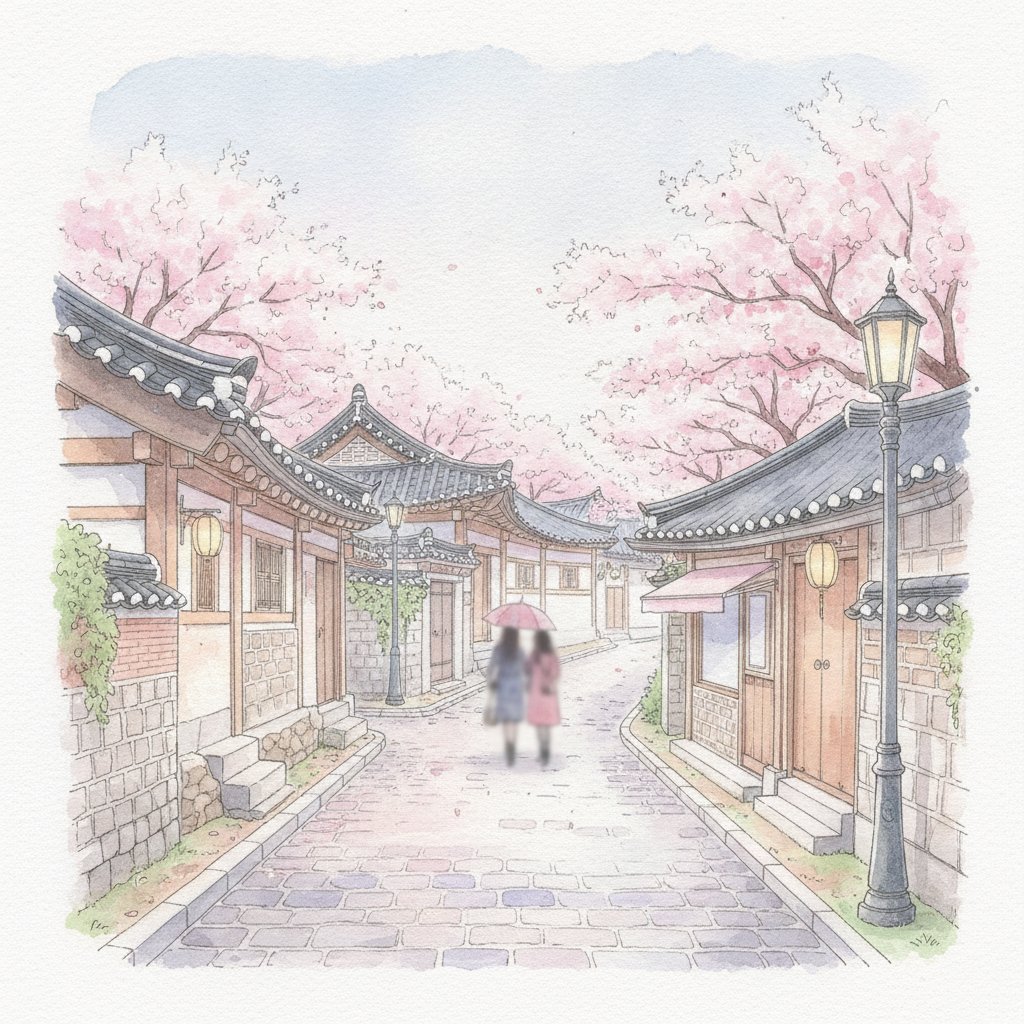
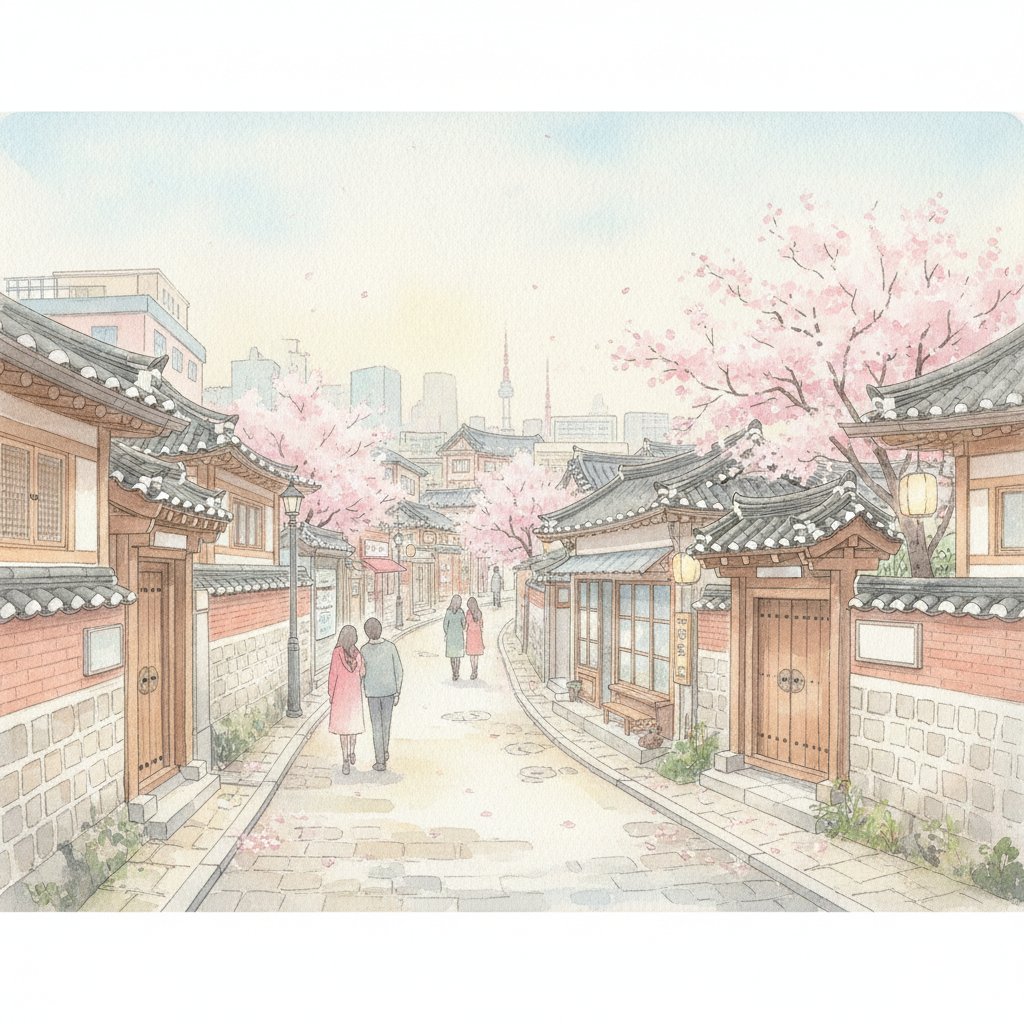
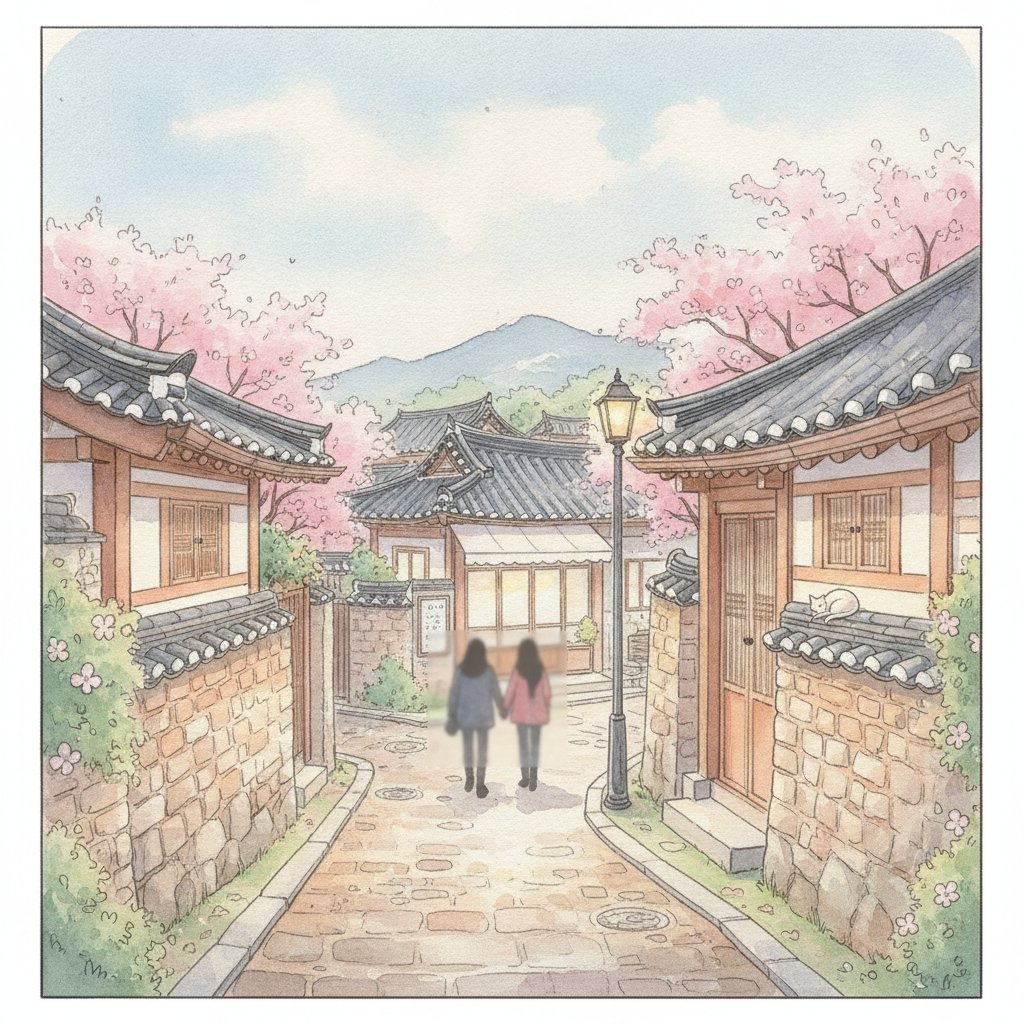
Walking down the narrow, brick-lined alleys of Seochon on a quiet morning, you can immediately tell why location scouters keep returning to this corner of Seoul. Tucked right to the west of Gyeongbokgung Palace, Seochon (literally meaning ‘West Village’) offers something that shiny Gangnam skyscrapers or bustling Myeongdong avenues simply cannot replicate: authentic, weathered soul. While its famous neighbor Bukchon is filled with grand hanoks historically reserved for nobility, Seochon was traditionally home to artists, musicians, and middle-class scholars during the Joseon Dynasty. That creative, residential atmosphere still lingers in every bend of its maze-like streets.
For K-drama enthusiasts, walking through Seochon feels like stepping directly into a split-screen montage of your favorite shows. Directors frequently choose Seochon when they need a setting that feels intimate, nostalgic, or grounded in daily Korean life. From cozy secondhand bookstores that double as meeting grounds for star-crossed lovers to dramatic mountain backdrops framing emotional nighttime strolls, this neighborhood packs dozens of iconic screen moments into a compact, walkable area. Because Seochon is a living residential neighborhood rather than a purpose-built film set, exploring these spots offers a genuine glimpse into local Seoul culture alongside your drama pilgrimage.
✈️ Book your trip to Korea — hotels, flights & more
Daeo Bookstore (대오서점)
In the quiet drama More Than Friends and the mystery romance Shark, this rustic storefront serves as a backdrop for quiet, reflective moments between leads who share a deep past. The weathered wooden frame, yellowed hand-painted signboards, and stacks of vintage books create an atmosphere of paused time where characters seek comfort away from modern life.
In real life, Daeo Bookstore holds the proud title of being Seoul’s oldest secondhand bookstore, first opened in 1951 by an elderly couple who built the shop by hand. While it no longer operates as a traditional bookstore, the owner’s family maintains the space as a nostalgic cultural cafe and heritage site. Inside, small courtyard rooms remain preserved exactly as they were decades ago, filled with black-and-white family portraits, vinyl records, and original wooden fixtures. Korean pop icon IU also famously shot her album cover here, making it a double bucket-list destination for Korean pop culture lovers.
How to get there
Take Seoul Subway Line 3 to Gyeongbokgung Station and take Exit 2. Walk straight along Jahamun-ro for about 300 meters, then turn left into Jahamun-ro 7-gil. Continue straight through the inner neighborhood street for roughly 200 meters, and you will spot Daeo Bookstore’s iconic dark wooden exterior on your left.
Suseongdong Valley (수성동계곡)
In fantasy and historical modern crossover dramas like Hotel Del Luna and The King: Eternal Monarch, this breathtaking natural ravine serves as a dramatic transition point where urban Seoul abruptly gives way to timeless wilderness. It is often featured during quiet, introspective scenes where characters walk off their burdens against a majestic granite backdrop.
Suseongdong Valley sits at the absolute foot of Mount Inwangsan, right where the urban grid ends and natural pine forests begin. During the Joseon Dynasty, renowned royal painters like Jeong Seon captured this exact view in traditional ink paintings. For years, the valley was hidden under concrete apartment blocks, but the Seoul Metropolitan Government fully restored the stream, stone footbridges, and native flora in 2012. Today, it is one of the most serene public parks in central Seoul, completely free to enter and open year-round.
How to get there
From Gyeongbokgung Station (Line 3), head out of Exit 2 and look for the green community bus stop right outside. Board green village bus Jongno 09 (종로09) and stay on all the way to its final terminus, Suseongdong Valley. The bus deposits you right at the entrance of the hiking trail and park area.
🎟️ Popular tours & experiences in Korea
Klook.comTongin Market (통인시장)
Featured in slice-of-life dramas like Because This Is My First Life and various food-centric shows, this covered market alleyway is where characters wander during casual evening dates, sharing street food and navigating lively neighborhood crowds. It represents the quintessential Korean residential market experience.
Established in 1941 as a public market for local residents, Tongin Market has evolved into one of Seoul’s most famous culinary destinations without losing its authentic neighborhood charm. The market is world-famous for its unique Ye엽전 Dosirak Cafe (Brass Coin Lunchbox Cafe), where visitors can purchase traditional brass coins and exchange them for small portions of various street foods from participating stalls. The market’s indisputable signature dish is gireum tteokbokki (oil-fried spicy rice cakes), stir-fried in large iron pans with chili oil or savory soy sauce rather than served in thick broth.
How to get there
Take Line 3 to Gyeongbokgung Station, leave via Exit 2, and walk straight north along Jahamun-ro for approximately 500 meters (about a 7-minute walk). The covered entrance to Tongin Market will appear clearly on your left side.
Tongui-dong Boan 1942 (보안여관)
In romantic indie-style dramas such as Yumi’s Cells and Run On, the moody exterior of this brick building and its adjacent modern art complex frame romantic nighttime conversations and reflective strolls along the palace wall road.
Boan 1942 is a remarkable historic building that originally operated as an affordable inn (yeogwan) for traveling writers, painters, and poets starting in the late 1930s. Legendary Korean literary figures lived and wrote here during pivotal moments in modern history. Instead of demolishing the structure, art curators preserved the raw interior walls, old wooden ceilings, and exposed brickwork, converting the front building into a contemporary exhibition space. The back annex houses a multi-story cultural hub featuring an art bookstore, sound lounge, and minimalist cafe overlooking the stone walls of Gyeongbokgung Palace.
How to get there
Exit Gyeongbokgung Station (Line 3) at Exit 3 or 4. Walk north along Hyoja-ro along the outer west stone wall of Gyeongbokgung Palace for roughly 300 meters. Boan 1942 is located directly across the main street from the palace grounds.
Make a Day of It: What to See and Eat in Seochon
Seochon is best experienced slowly, combining your K-drama spot hunt with local culinary stops and peaceful coffee breaks. Because all these locations sit within a 1.5-kilometer radius, you can comfortably explore the neighborhood in four to six hours.
Morning: Bakery Delights and Palace Walls
Start your morning early near Gyeongbokgung Station. Grab a freshly baked pastry or traditional egg tart from one of the artisanal bakeries along Hyoja-ro before heading to Boan 1942. The tree-lined avenue along the palace wall is particularly stunning in autumn when ginkgo leaves turn brilliant yellow, or in spring when cherry blossoms fringe the historic stone masonry.
Midday: Market Feasts and Hanok Cafes
Plan your lunch around Tongin Market. Head to the market’s central customer center upstairs to convert 10,000 KRW into a string of traditional brass coins and a black plastic lunch tray. Walk the central corridor filling your tray with freshly fried savory pancakes (jeon), rolled omelets (gyeran-mari), and crispy oil tteokbokki. Afterwards, retreat into the quiet alleyways behind Jahamun-ro for dessert. Seochon is home to dozens of restored hanok cafes serving hand-drip coffee, roasted mugwort lattes, and shaved ice desserts (bingsu).
Afternoon: Mountain Breezes and Boutique Shopping
Finish your walking tour by taking the Jongno 09 bus up to Suseongdong Valley for a refreshing mountain view. Afterward, slowly wander back down through Ogin-dong and Nuha-dong on foot. These narrow inner residential streets host independent ceramics studios, small vintage clothing shops, local stationery designers, and quiet art bookstores that embody Seochon’s enduring creative spirit.
Recommended One-Day Itinerary Summary
| Time | Location | Activity |
|---|---|---|
| 10:00 AM | Boan 1942 & Hyoja-ro Wall | Architecture & Palace View Walk |
| 11:30 AM | Daeo Bookstore | Nostalgic Cafe Break & Photos |
| 01:00 PM | Tongin Market | Brass Coin Custom Lunchbox |
| 03:00 PM | Suseongdong Valley | Scenic Nature Walk & Rest |
| 05:00 PM | Ogin-dong Hanok Alleys | Boutique Shopping & Dinner |
Local Visiting Courtesy and Practical Advice
Please remember that while Seochon is a popular filming destination, it remains a genuine residential neighborhood. Many of the picturesque alleys contain private homes where local families live. Keep noise levels low, particularly during early morning or evening hours, never film directly into private windows, and dispose of trash responsibly. Store hours in Seochon can vary significantly among independent business owners; it is always wise to double-check operating status on local map applications before planning your visit.
Photo Tips
To capture the exact camera angles seen on screen, timing and perspective are everything in Seochon:
- Daeo Bookstore: Shoot from across the narrow alley using a portrait orientation to capture the blue sign and wooden window frames. Step inside for the courtyard shot (a small drink purchase is required to enter the interior photography zone).
- Suseongdong Valley Bridge: Frame your photo standing on the lower wooden boardwalk, looking up toward Mount Inwangsan with the historic stone bridge in the mid-ground. Late afternoon lighting between 3:00 PM and 5:00 PM casts a gorgeous golden glow across the rock face.
- Hyoja-ro Palace Wall Street: Position yourself at the corner near Boan 1942, looking down the stone wall toward the south. Shooting with a slight low angle highlights both the traditional roof tiles and the arching trees overhead.
FAQ
Are these Seochon filming locations free to visit?
Outdoor locations like Suseongdong Valley, Hyoja-ro palace wall, and the public alleyways of Seochon are completely free to explore 24/7. Tongin Market is free to walk through, though purchasing food requires cash or card. Daeo Bookstore operates as a private venue where visitors purchase a beverage or entry ticket to explore and take photos inside the preserved courtyard area.
What is the best subway station to access Seochon drama spots?
Gyeongbokgung Station on Seoul Subway Line 3 is the primary gateway for Seochon. Exits 2, 3, and 4 put you within an easy 5 to 10-minute walk of all major filming locations, cafes, and markets in the neighborhood.
Can I visit Seochon K-drama locations in winter?
Yes, Seochon is a year-round destination. Winter brings a charming, quiet mood to the hanok alleys, and Suseongdong Valley looks stunning after a fresh snowfall. Just dress warmly with sturdy walking shoes, as the brick alleys and mountain footpaths can become slick in freezing weather.
🎟️ Popular tours & experiences in Korea
Klook.comKeep Reading
- Bukchon Hanok Village: Goblin & K-Drama Filming Spots
- Iconic K-Drama Filming Spots at Amusement Parks
- KTX Busan Day Trip: Fight for My Way & Nevertheless Scenes
- Coffee Prince Cafe Day Trip in Seoul
🎟️ Popular tours & experiences in Korea
Klook.com