Walking Seochon Village Drama Locations in Seoul
Where Historic Seoul Meets Classic K-Drama Frames
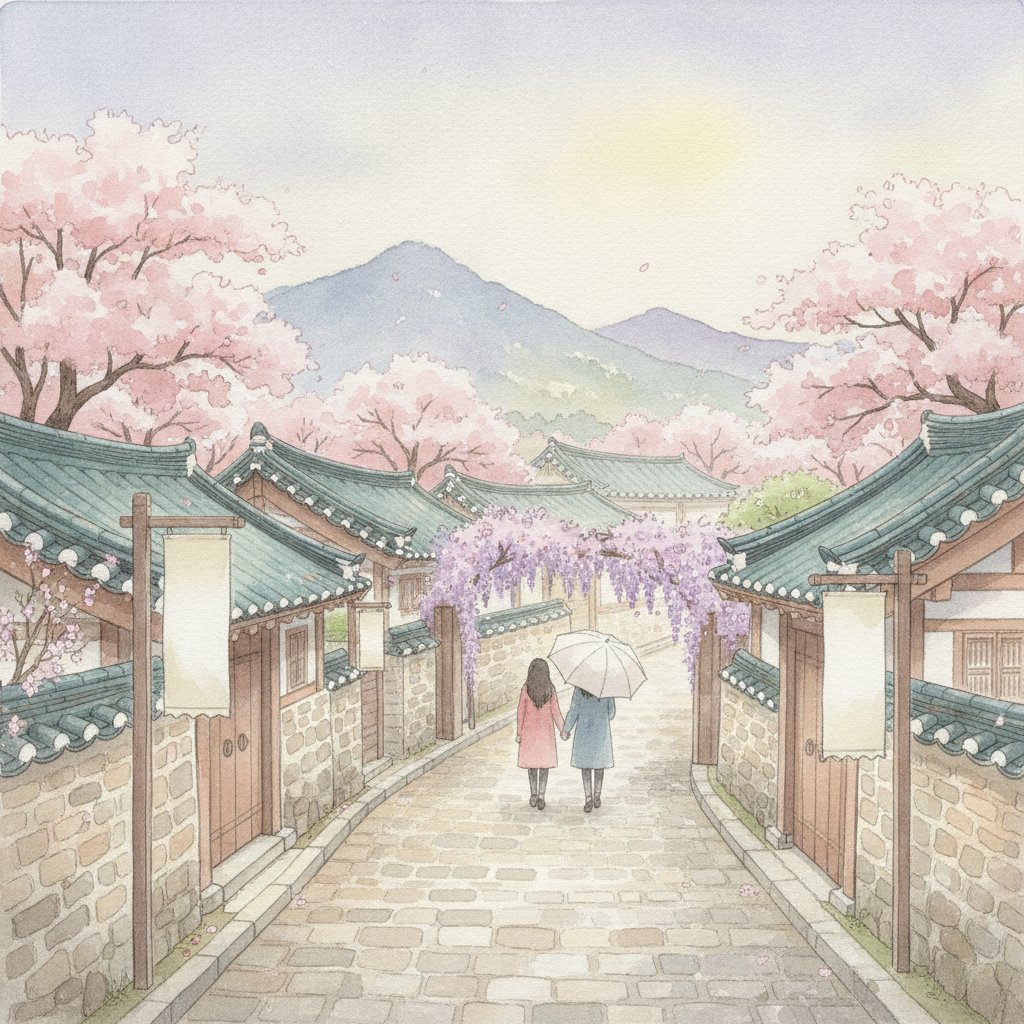
Walking out of Gyeongbokgung Station Exit 2, the rush of Seoul’s six-lane avenues fades almost instantly. Stepping into Seochon—the neighborhood nestled directly west of Gyeongbokgung Palace—feels like stepping back into a quieter era. While tourists flock in crowds to Bukchon on the east side of the palace, Seochon remains an intimate sanctuary of narrow hanok lanes, vintage shopfronts, and artistic history.
This unique atmosphere makes Seochon one of the most beloved filming neighborhoods in Seoul. Directors turn to these streets whenever a story demands nostalgic warmth, whimsical romance, or quiet reflective walks. In hits like Yumi’s Cells, Goblin, and Run On, Seochon serves as more than just a background setting; its historic tile roofs, traditional markets, and hidden alleys act as essential characters that anchor emotional story arcs.
✈️ Book your trip to Korea — hotels, flights & more
1. Daeo Bookstore (대오서점)
In scenes needing retro nostalgia, this iconic blue-framed storefront serves as the ultimate vintage landmark. While widely known among music fans for its appearance in album artwork and artist photos, drama lovers recognize its distinct wooden doors and weathered signboards from historic neighborhood walking scenes and variety shows celebrating local Seoul architecture.
Established in 1951, Daeo Bookstore is officially recognized as the oldest secondhand bookstore in Seoul. The original owners preserved the rustic interior even as the business transitioned from an active bookshop into a heritage café and cultural museum. Inside, small rooms surround a miniature hanok courtyard filled with yellowed paperbacks, ancient piano keys, and black-and-white family portraits. Visiting this spot feels like walking directly into a period drama frame set in mid-20th-century Korea.
How to Get There
Take Seoul Subway Line 3 to Gyeongbokgung Station and exit through Exit 2. Walk straight north along Jahamun-ro for about 400 meters, then turn left onto Jahamun-ro 7-gil. Continue straight into the heart of Seochon for approximately three minutes. The recognizable blue wooden facade of Daeo Bookstore will be on your left. Please note that while the exterior can be viewed from the narrow street, entry requires purchasing a drink or memory souvenir ticket from the current owners who preserve this private heritage site.
2. The Hanok Alleyways of Jahamun-ro 7-gil
These winding stone paths are where Yumi walks home while processing her inner thoughts in Yumi’s Cells. The peaceful residential lanes highlight her daily commute, capturing the distinct neighborhood charm that makes her fictional life feel intimately real.
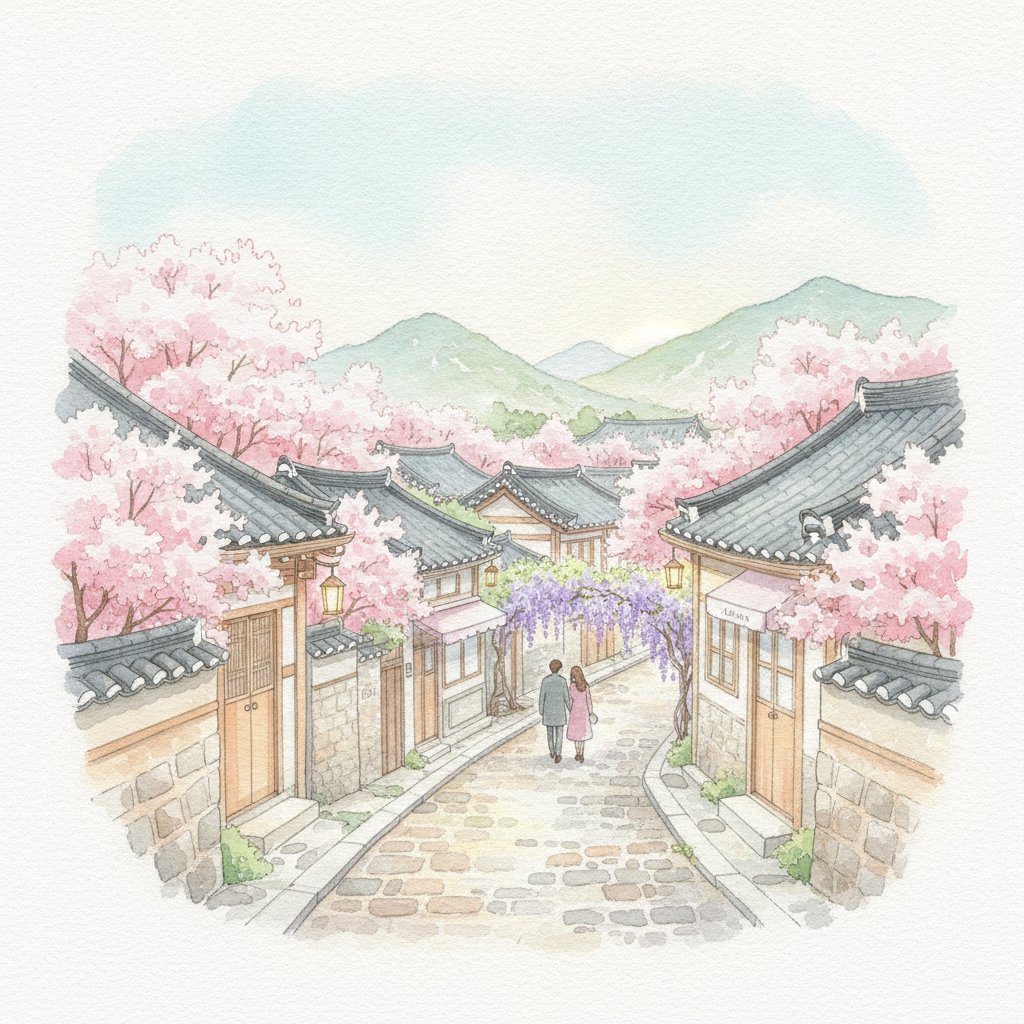
In real life, these alleys represent the living heart of Seochon’s historic residential zone. Unlike Bukchon, where many hanoks have been heavily renovated into polished luxury spaces, Seochon’s alleyways showcase an authentic mix of traditional Korean architecture, 1970s brick work, and modern floral pots placed outside neighborhood doorways. The contrast of curved roof tiles against the towering silhouette of Mount Inwangsan in the distance creates an unforgettable walking experience.
How to Get There
From Daeo Bookstore, continue walking along Jahamun-ro 7-gil toward the base of the mountain. Branch off into the side lanes branching off to the left and right. This residential area stretches between Jahamun-ro and Pilun-daero. Because these narrow paths are actively lived in by local residents, visitors are asked to keep their voices low and avoid taking photos directly into private home doorways or windows.
🎟️ Popular tours & experiences in Korea
Klook.com3. Tongin Market (통인시장)
In casual dating and food-tasting montages across K-dramas like Run On, characters wander past bustling market stalls, trading small brass coins for traditional street side snacks. These scenes capture the playful, communal spirit of everyday life in historic Seoul neighborhoods.
Established in 1941 during the Japanese colonial period, Tongin Market was created for local residents in the Hyoja-dong area. Today, it is world-famous for its unique Ye엽 (Yeopjeon) Coin Box program. Visitors can purchase traditional brass coins at the customer service center and exchange them at participating food vendors throughout the covered arcade to build a customized, traditional lunchbox (Dosirak). Stalls serve everything from oil tteokbokki (stir-fried seasoned rice cakes) to freshly fried pajeon and homemade dumplings.
How to Get There
Tongin Market is located directly adjacent to the main Seochon walking street. From Gyeongbokgung Station (Line 3, Exit 2), walk north up Jahamun-ro for roughly 500 meters. The eastern entrance of Tongin Market will appear on your left with clear overhead signage. If you are starting from Daeo Bookstore, walk one block east toward Jahamun-ro and you will see the market entrance.
4. Suseongdong Valley (수성동계곡)
When characters in urban Seoul dramas need a quiet getaway into nature without leaving the city bounds, they are often shown walking along forested stone bridges with crisp mountain streams running below. This scenic location provides dramatic visual relief from urban cityscapes, making it a favorite spot for reflective walk-and-talk scenes.
Suseongdong Valley sits at the base of Inwangsan Mountain at the westernmost terminus of Seochon. During the Joseon Dynasty, scholars and royal princes gathered here to write poetry and paint scenic landscapes. In 2012, the Seoul Metropolitan Government restored the valley to its natural state, removing modern concrete apartments to reveal the historic stone bridge (Gyeungjaegyo) intact beneath. Today, it serves as a serene public park where stream water flows over natural granite boulders beneath majestic pine trees.
How to Get There
From the entrance of Tongin Market, head west straight up Okin-gil. Follow the uphill road for approximately 10 to 12 minutes until the street ends directly at the entrance of Suseongdong Valley. Alternatively, you can catch the green local neighborhood bus (Jongno 09) from Gyeongbokgung Station Exit 2 and ride it all the way to its final stop at Suseongdong Valley.
Make a Day of It: Eating and Exploring Around Seochon
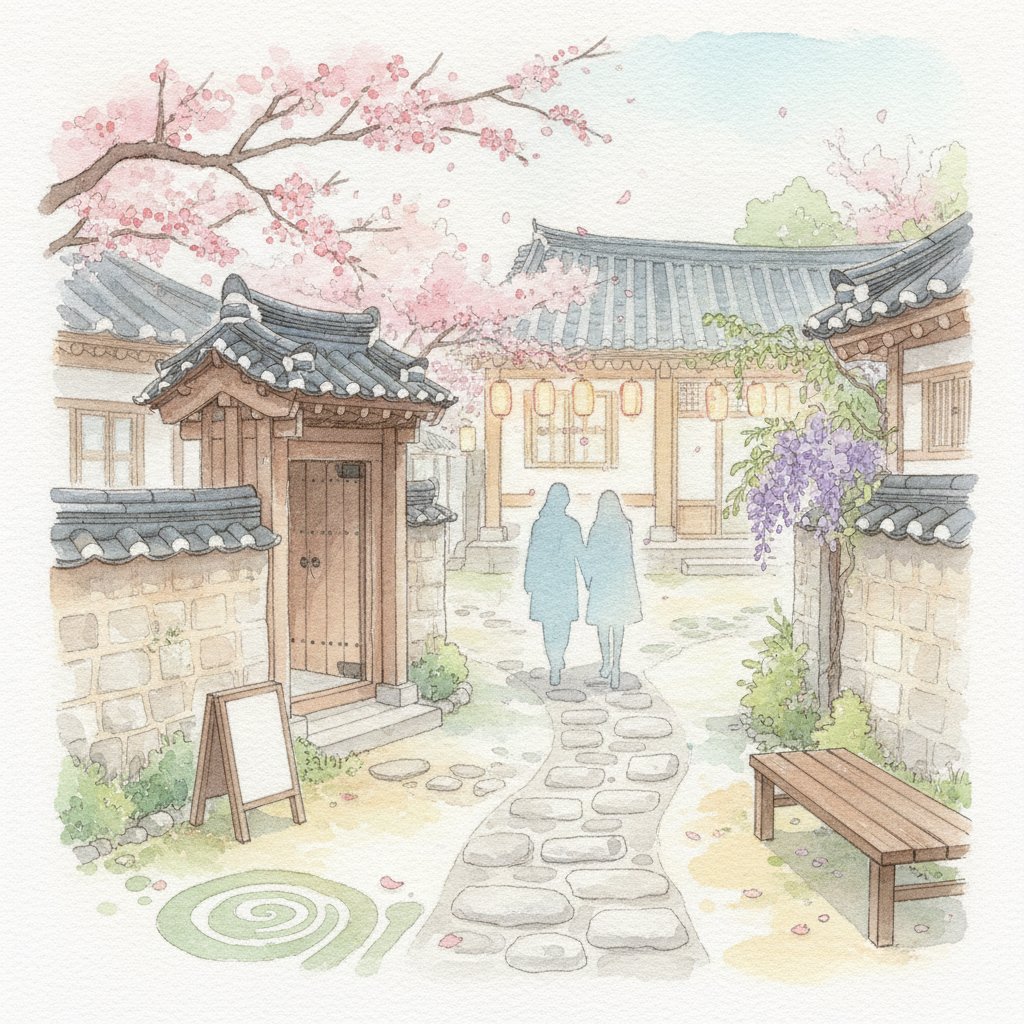
Seochon is best experienced at an easy, unhurried pace. Combine your K-drama location hunt with these highly recommended nearby culinary and cultural stops:
- Tosokchon Samgyetang (토속촌 삼계탕): Located near Gyeongbokgung Station Exit 2, this famous restaurant is renowned for its rich ginseng chicken soup served inside a sprawling traditional hanok complex. It is the perfect hearty lunch stop before starting your walking tour.
- Tongin Market Yeopjeon Café: Try the market’s famous oil tteokbokki (기름떡볶이), cooked in large cast-iron pans with fragrant chili oil or savory soy sauce. Use traditional brass coins to sample small dishes from multiple vendors.
- Ground Seesaw Seochon (그라운드시소 서촌): A striking modern cultural center and art exhibition space featuring an indoor garden and reflecting pool. It offers a wonderful contemporary architectural contrast to the historic hanok lanes nearby.
- Inwangsan Mountain Trailhead: If you have energy remaining after reaching Suseongdong Valley, follow the marked hiking trails up toward the Seoul City Wall along Mount Inwangsan for panoramic views over Gyeongbokgung Palace and the N Seoul Tower skyline.
| Spot Name | Main Feature | Recommended Time Needed |
|---|---|---|
| Daeo Bookstore | Retro Hanok Cafe & Photospot | 30 – 45 Minutes |
| Tongin Market | Traditional Food & Brass Coins | 1 Hour |
| Suseongdong Valley | Scenic Mountain Park | 45 Minutes |
Photo Tips
To capture the ultimate drama-worthy shot without crowds, timing and positioning are everything in Seochon:
- Daeo Bookstore Exterior: Stand across the narrow street on Jahamun-ro 7-gil using a 50mm portrait lens setting to compress the vintage wooden signage against the background. Early morning light (around 9:30 AM before the cafe opens) guarantees a clean shot without pedestrians blocking the doorway.
- Suseongdong Valley Bridge: Frame your shot standing downstream looking west up toward Inwangsan Mountain. Position the historic stone bridge in the lower third of your photo to capture the rugged granite peak towering dramatically behind it. The late afternoon golden hour (between 4:00 PM and 5:30 PM) casts warm light across the pine trees and rock formations.
- Hanok Alleyways: Aim for low-angle perspectives looking up the incline toward the western hills. Capture the repetitive beauty of curved grey roof tiles running alongside modern climbing vines and traditional lanterns.
Frequently Asked Questions
How long does the Seochon Village drama walking tour take?
A leisurely walking tour covering all four main locations takes approximately 2.5 to 3.5 hours. This leaves ample time for photo stops, a lunch break at Tongin Market, and a relaxing cup of tea inside one of Seochon’s historic cafes.
Do I need to make reservations to visit Daeo Bookstore?
No advance reservations are required for general visitors. However, because Daeo Bookstore operates as a privately maintained cultural space and café, visitors must purchase a beverage or commemorative ticket at the front entrance to step inside the inner hanok courtyard.
Is Seochon Village residential, and what rules should tourists follow?
Yes, large portions of Seochon remain active residential neighborhoods where real families live. Visitors should maintain respectful noise levels, refrain from flying drones without permits, dispose of trash in public receptacles, and avoid photographing directly inside private residential doorways or windows.
🎟️ Popular tours & experiences in Korea
Klook.comKeep Reading
- Step Into History: Iconic Palace KDrama Filming Locations in Seoul
- Han River K-Drama: Picnics, Ramyeon, Romantic Night Views
- Ihwa Mural Village K-Drama: Visit “Rooftop Prince” Spots
- N Seoul Tower: K-Drama Dates from “Star” to “Crash Landing”
🎟️ Popular tours & experiences in Korea
Klook.com