
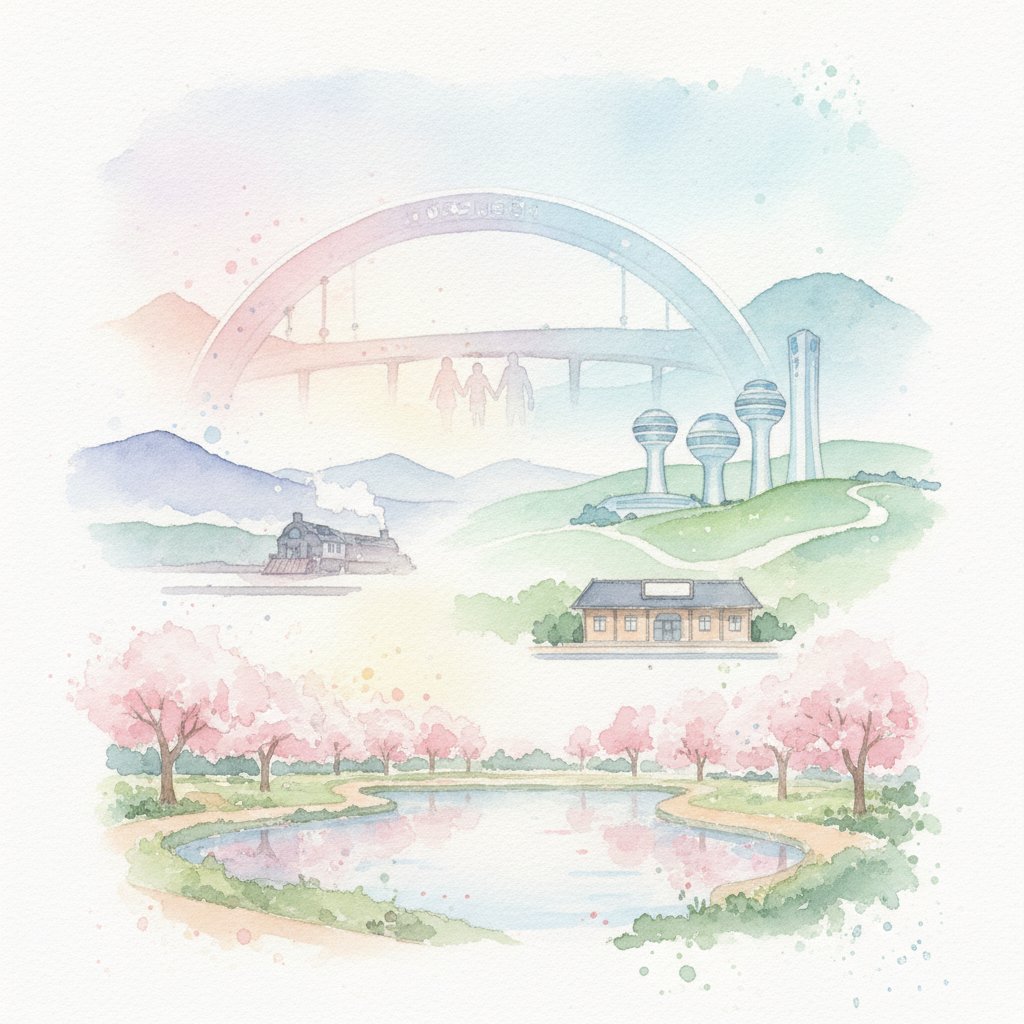
Daejeon K-Drama Filming Spots for a Quick Day Trip
Where Retro Alleys Meet Modern K-Drama Sets
Just fifty minutes south of Seoul Station by KTX bullet train sits Daejeon, a city Korean locals jokingly call ‘No-Jam City’ (the city of no fun). Korean travelers used to skip Daejeon entirely unless they were visiting family or attending a tech conference. But location scouts for Korean television networks and film studios have a completely different view. Behind Daejeon’s calm, orderly facade lies a golden treasury of preserved 1930s colonial architecture, sprawling 1980s railway worker housing, and sleek futuristic plazas that serve as the background for some of the biggest global hits.
When you watch the high-stakes vigilante missions in Taxi Driver, retro crime period dramas like Chief Detective 1958, or romantic cityscapes in modern romance series, there is a strong chance you are looking at Daejeon. Exploring these daejeon k drama filming spots gives international fans a unique look at Korean screen history without the dense crowds you usually fight in Seoul’s popular filming hubs. Here is how to plan an easy, rich day trip to Daejeon’s most famous filming grounds.
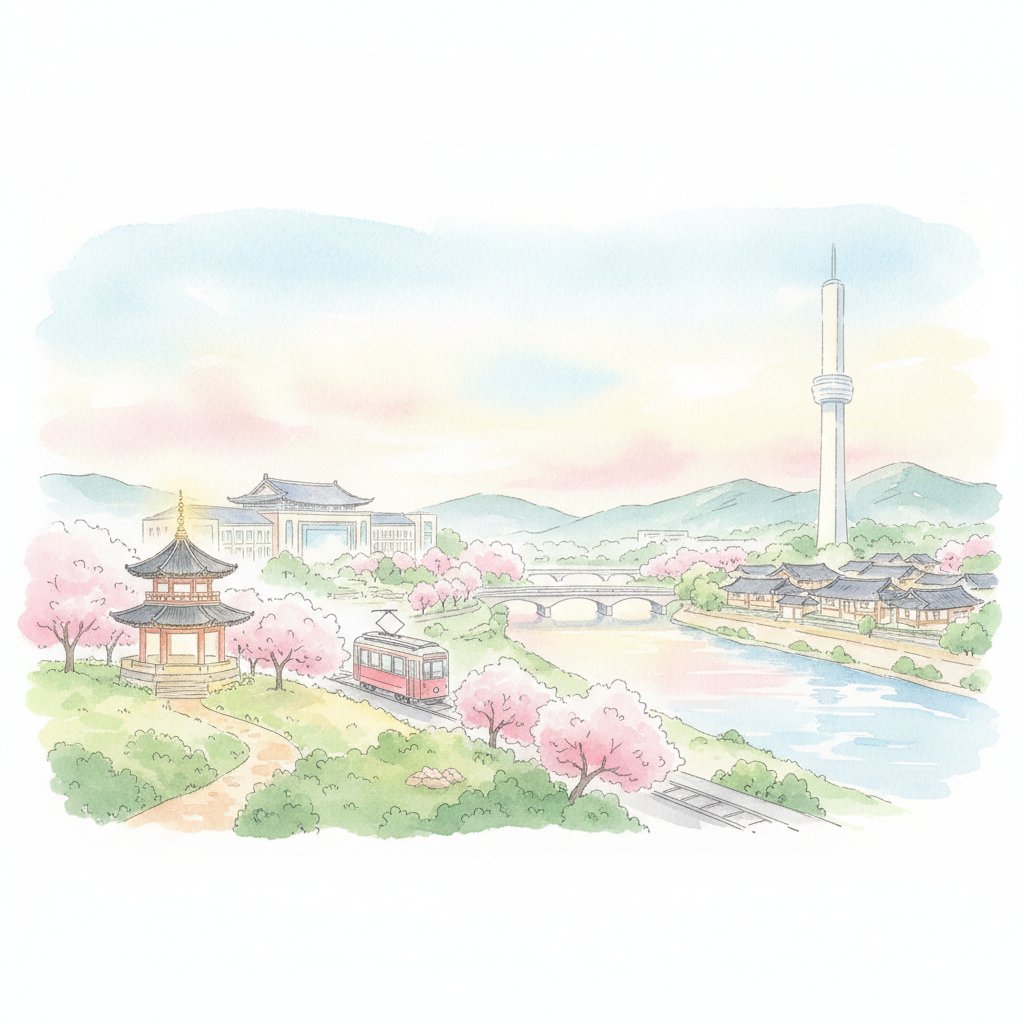
✈️ Book your trip to Korea — hotels, flights & more
Old Chungnam Provincial Office (Seonhwa-dong)
If you have watched high-tension thrillers or historical legal dramas, this imposing tiled building will look instantly familiar. In Taxi Driver, its grand dark-wood corridors and retro exterior stood in for official government offices and law enforcement headquarters during critical investigation scenes. The location was also prominently featured in the movie The Attorney and period dramas like Mr. Sunshine and Chief Detective 1958.
In real life, this building served as the main administrative headquarters for Chungcheongnam-do province from 1932 until the provincial government relocated in 2012. It is one of the best-preserved examples of modern Korean architectural heritage from the early 20th century. Today, the complex operates as a public cultural venue and history archive (the Modern History Museum of Daejeon). The long tiled hallways, high ceilings, retro window frames, and grand central staircase retain their original 1930s aesthetic, making visitors feel as though they walked directly onto a vintage movie camera set.
How to Get There
Take Daejeon Subway Line 1 to Jungangno Station. Take Exit 5 and walk straight down Jungang-ro avenue for about six to eight minutes. The large historic brick-and-tile complex sits clearly at the end of the main road. Always check local public hours before entering interior exhibition spaces.
Soje-dong Cafe Village
Soje-dong is where directors head when they need authentic vintage narrow streets, moody evening shadows, and nostalgia-heavy walk-and-talk scenes. In Taxi Driver, the surrounding alleys and traditional rooflines provided a realistic backdrop for retro street scenes set in late 20th-century Korea.
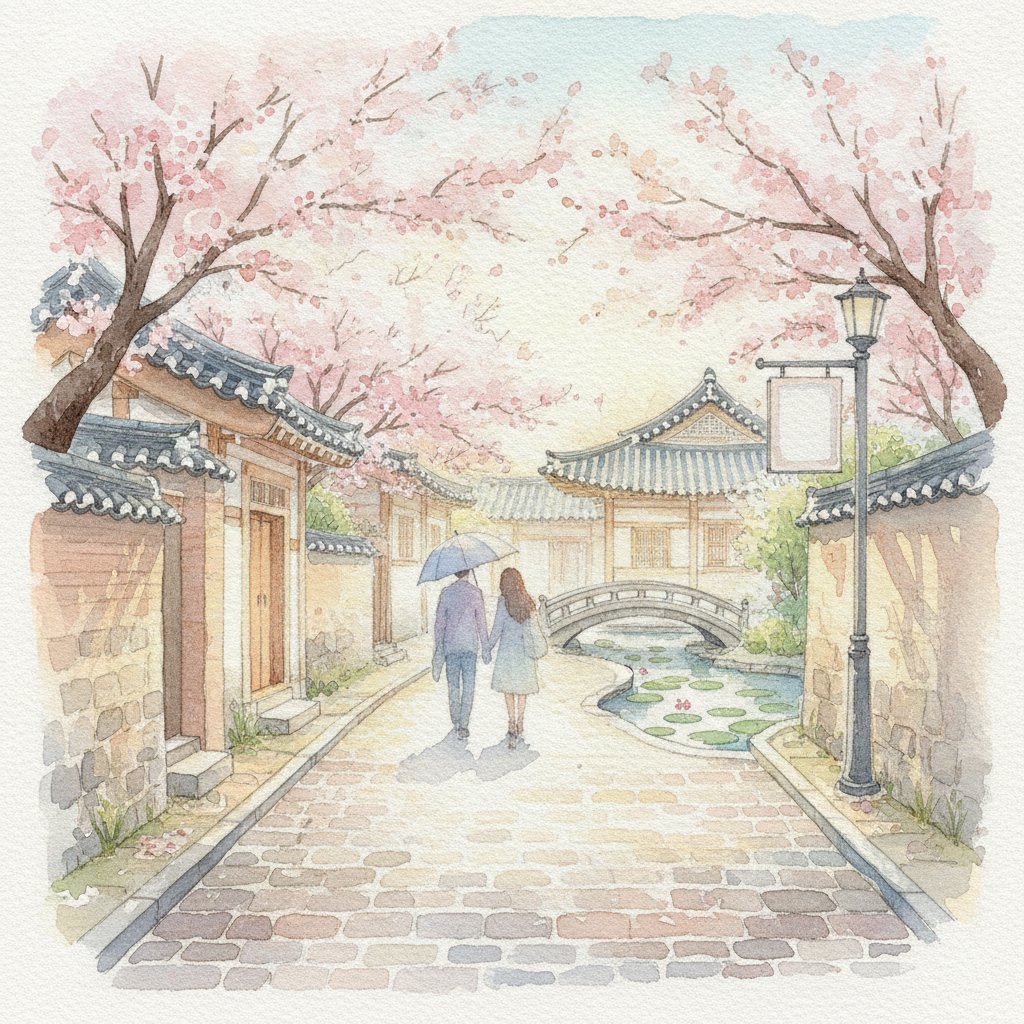
In real life, Soje-dong was built during the 1920s as a residential community for employees of the Japanese national railway system. For decades, the area remained largely frozen in time with small single-story homes, narrow alleyways, and mature trees. Over the past decade, creative young business owners and urban planners began converting these vintage wooden-frame residences into chic modern cafes, bakeries, and art spaces while strictly preserving the historical exteriors. Today, it is Daejeon’s premiere café street, offering a blend of past and present.
Note for visitors: Soje-dong is a commercial cafe area adjacent to active residential homes. Please keep voice levels respectful and avoid filming directly into private residential courtyards or windows.
How to Get There
Take the KTX or Daejeon Subway Line 1 to Daejeon Station. Head out of Exit 2 (the east side of the station) and walk roughly seven to ten minutes straight into the Soje-dong neighborhood behind the tracks.
🎟️ Popular tours & experiences in Korea
Klook.comExpo Science Park & Hanbit Tower
When K-dramas need a clean, futuristic backdrop or a romantic nighttime city promenade, Daejeon’s Expo area is a frequent choice. The striking Hanbit Tower and the adjacent Gapcheon River bridge have hosted scenes in modern series like Vincenzo as well as numerous national broadcast variety shows.
Built originally for the 1993 Daejeon International Exposition, Expo Science Park represents Daejeon’s identity as South Korea’s premier science and technology hub. The iconic central Hanbit Tower features an elevated circular observatory offering 360-degree views of the city skyline and the surrounding mountains. In front of the tower, a large public plaza and water fountain show draw visitors, while the adjacent Expo Bridge illuminates at night, casting colorful reflections over the Gapcheon River.
How to Get There
Take Daejeon Subway Line 1 to Government Complex Daejeon Station. From Exit 3, take Bus 604 or Bus 618 across the Gapcheon River bridge directly to the Expo Science Park stop (about 12 minutes ride), or catch a quick 5-minute taxi from the station.
Hanbat Arboretum
This massive urban green space frequently serves as the setting for peaceful park strolls, bench conversations, and seasonal background shots in modern office and romance dramas, including scenes featured in Search: WWW and lighthearted weekend dramas.
Hanbat Arboretum is the largest artificial urban arboretum in South Korea. Split into two main sections (the West Garden and the East Garden) alongside a large tropical glasshouse, it features beautifully curated walking paths, pine forests, lotus ponds, and seasonal flower gardens. It offers a dramatic contrast to Seoul’s dense city parks and gives drama fans plenty of open space to enjoy clean, serene Korean nature.
How to Get There
From Government Complex Daejeon Station (Line 1, Exit 3), walk north through the government complex grounds for approximately 15 minutes, or take Bus 604 directly to the Hanbat Arboretum bus stop.
Make a Day of It: Daejeon Eats and Nearby Stops
You cannot complete a day trip to Daejeon without experiencing its distinct food culture. Daejeon is nationally famous for two food traditions: world-class bakeries and comfort noodles.
- Sungsimdang Bakery (Eunhaeng-dong Main Shop): Established in 1956, Sungsimdang is a Daejeon institution. People take the train from Seoul just to buy their signature Twigim Soboro (a deep-fried sweet red bean pastry with a streusel crust) and Buchu Bread (savory chive bread). The main branch in Eunhaeng-dong is a short walk from Jungangno Station. Expect lines, but they move very fast!
- Daejeon Kalguksu & Duruchigi: Daejeon is Korea’s capital for Kalguksu (hand-cut wheat noodle soup) and Tofu Duruchigi (a spicy braised tofu and pork dish). After exploring the Old Chungnam Provincial Office, stop by one of the neighborhood noodle houses in Seonhwa-dong for a steaming bowl of spicy clam kalguksu.
- Gapcheon River Bike Paths: Rent a public city bike (Tashu) near Expo Park and ride along the riverside paths for great views of the cityscape and bridges.
Photo Tips
Capturing that cinematic K-drama look requires the right framing and timing. Here is how to get the exact shots fans want:
- Old Chungnam Provincial Office: Stand at the base of the main exterior entrance looking straight up at the symmetrical facade. For interior shots, shoot from the landing of the central grand staircase looking down the main corridor. Late morning daylight provides soft illumination through the historic glass windows.
- Soje-dong Bamboo Cafes: Visit a cafe like Pungnyuga in Soje-dong, where tall bamboo stalks grow directly inside the courtyard. Frame your photo looking past the bamboo toward the traditional tiled roof eaves during golden hour (an hour before sunset).
- Hanbit Tower Plaza: Visit right at dusk. Capture the tower with the illuminated water fountain in the foreground to recreate the crisp, modern night aesthetic seen in urban series.
FAQ
Is Daejeon worth visiting as a K-drama day trip from Seoul?
Yes. Because Daejeon is only 50 to 60 minutes away from Seoul Station via the KTX train, it is one of the easiest and most affordable day trips you can take. Most major filming locations within the city center are easily accessible by subway, bus, or short taxi rides.
Can tourists visit Studio Cube where Squid Game sets were built?
Studio Cube is South Korea’s largest government-operated sound stage complex located in Daejeon. Because it is an active, high-security production facility, the sound stages themselves are generally closed to the general public unless special public exhibitions or guided tours are hosted by local tourism boards. Stick to public filming spots like Expo Park and Soje-dong for guaranteed access.
Do I need a rental car to visit Daejeon K-drama filming spots?
No. Daejeon has a very clean and efficient single-line subway system (Line 1) that connects Daejeon KTX Station directly to Seonhwa-dong, downtown Eunhaeng-dong, and the government complex district. Combined with local buses and cheap municipal taxis, public transportation is completely sufficient for day visitors.
🎟️ Popular tours & experiences in Korea
Klook.comKeep Reading
- Bukchon Hanok Village: Goblin & K-Drama Filming Spots
- Iconic K-Drama Filming Spots at Amusement Parks
- KTX Busan Day Trip: Fight for My Way & Nevertheless Scenes
- Coffee Prince Cafe Day Trip in Seoul
🎟️ Popular tours & experiences in Korea
Klook.com


