Mungyeong Saejae Drama Set Day Trip for Sageuk Fans
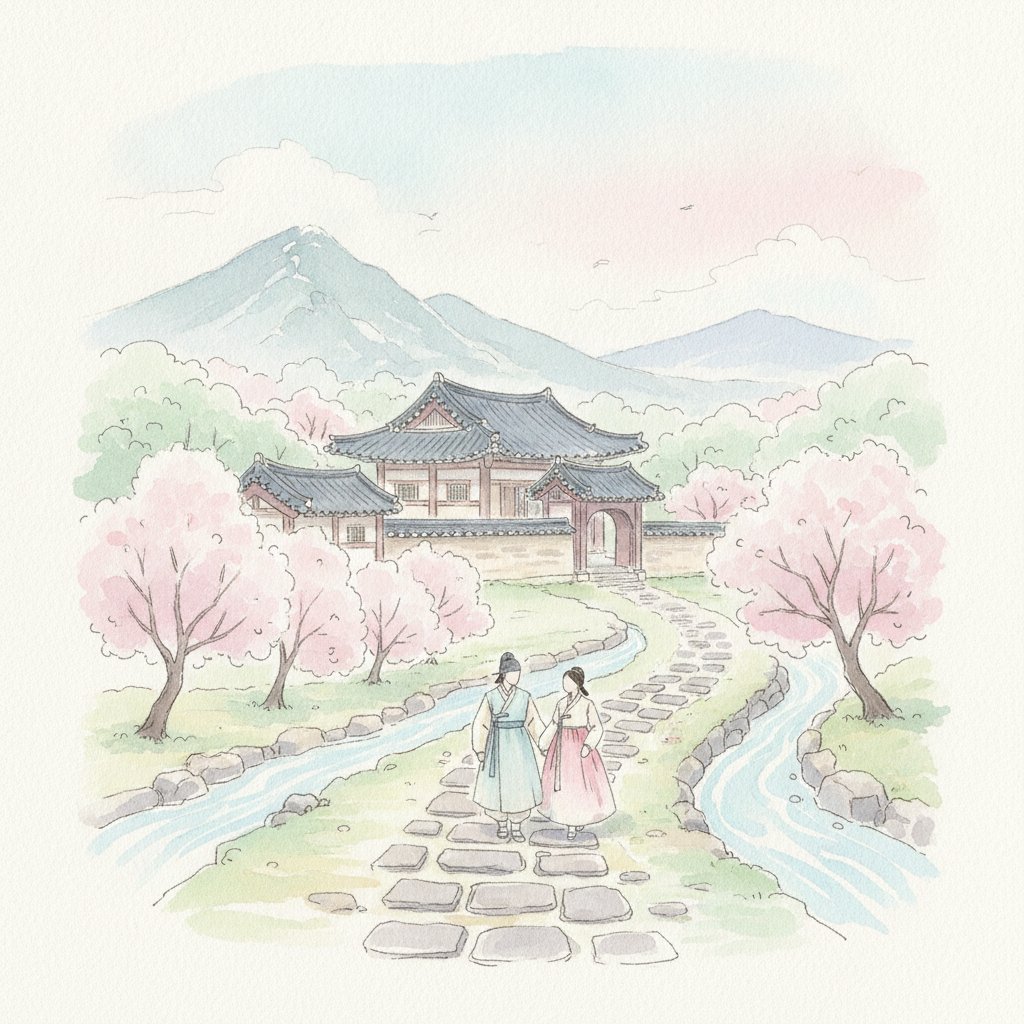
Standing before the wooden doors of the reconstructed Gwanghwamun Gate with the jagged ridges of Mount Juheul towering directly behind it, you immediately understand why directors love this spot. Unlike the actual Gwanghwamun Gate in downtown Seoul, which sits against a backdrop of modern glass skyscrapers and bustling traffic, this location offers 360 degrees of unspoiled Joseon-era scenery. Surrounded by dense forest and dramatic mountain ridges, Mungyeong Saejae Open Set is the heart and soul of Korean historical drama filming.
Originally constructed by Korean broadcasting station KBS in 2000 to film the massive 200-episode epic Taejo Wang Geon, the set initially represented Goryeo Dynasty architecture. In 2008, the entire facility was rebuilt by Mungyeong City to showcase the Joseon Dynasty era. Since then, it has served as the filming site for dozens of beloved series, including Netflix’s zombie epic Kingdom, the record-breaking romance The Red Sleeve, the gender-bending royal drama The King’s Affection, and the hilarious yet touching Under the Queen’s Umbrella. Walking through these gates feels less like visiting a movie set and more like stepping straight onto the television screen.
Gwanghwamun Gate and Palace Courtyard
In Kingdom, this vast courtyard serves as the tense setting where royal guard standoffs take place under the cover of night. In Under the Queen’s Umbrella, Queen Im Hwa-ryung dramatically rushes across this precise plaza in her hurried steps to protect her royal sons.
In real life, this spot is a slightly scaled-down (roughly 75 to 80 percent size) replica of Gyeongbokgung Palace in Seoul. Because the natural mountain environment behind the gate remains completely free of power lines, high-rise buildings, or modern infrastructure, camera crews can shoot wide-angle shots from almost any direction without needing CGI to edit out the modern world. The courtyard is paved with traditional stone and gravel, leading up to the majestic main throne hall structures.
How to get there
Take an intercity bus from Seoul Express Bus Terminal or East Seoul Bus Terminal to Mungyeong Bus Terminal (Jomchon). From the terminal, board local Bus 10 or 20 heading toward Mungyeong Saejae Provincial Park. The bus ride takes roughly 30 minutes. Once you arrive at the park entrance parking area, follow the scenic paved path past the main park gate; the Open Set is a pleasant 15-minute walk along the gentle river trail.
✈️ Book your trip to Korea — hotels, flights & more
The Stone Bridge and Palace Stream
Fans of The Red Sleeve will easily recognize this stone bridge as the spot where King Jeongjo and court maid Seong Deok-im share quiet, meaningful glances across the water. It also makes prominent appearances in fantasy sageuks like Alchemy of Souls during royal court procession scenes.
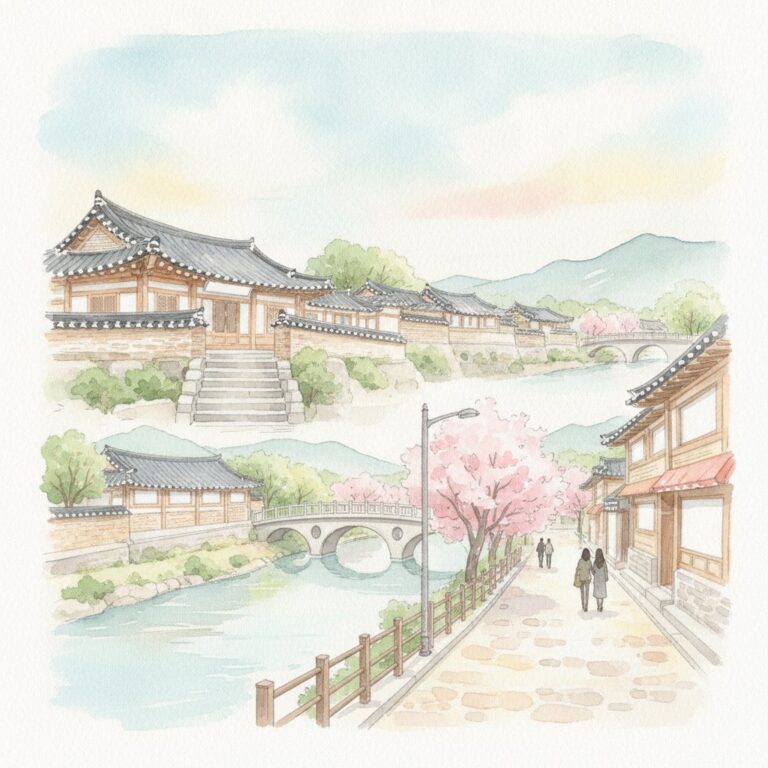
This area features a man-made stone canal and an arched bridge modeled after Geumcheon gyo, the symbolic outer bridge found inside original Joseon palace grounds. The water flowing beneath it is redirected directly from the crystal-clear streams of Mount Juheul. The surrounding greenery shifts dramatically with the seasons, from lush emerald green leaves in summer to fiery crimson maple leaves during autumn.
How to get there
After entering the main gates of the Mungyeong Saejae drama set, take an immediate right past the administrative building into the palace compound. The stone bridge spans the canal directly in front of the eastern side wing of the royal residence building.
The Nobleman Hanok Quarter
This upper-class residential sector played a central role in The King’s Affection, serving as the secluded residence where political secrets were whispered behind sliding paper doors. In Kingdom, these same courtyards doubled as the homes of corrupt high-ranking ministers plotting their hold on the throne.
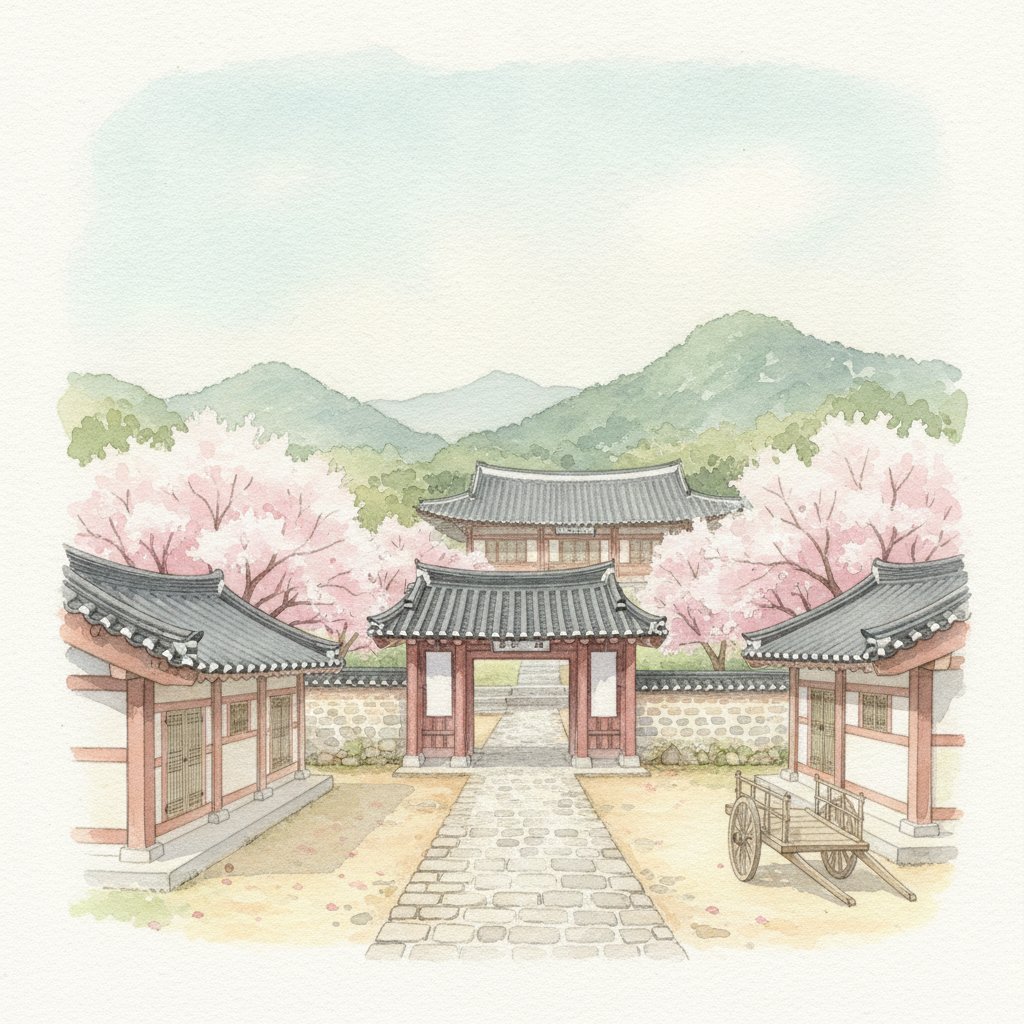
This section consists of several multi-building residential complexes built in the authentic style of yangban (noble class) homes during the mid-to-late Joseon period. These structures feature intricate tiled roofs (giwa), dark wood beams, inner courtyards, and raised wooden verandas (maru). Unlike temporary movie props, these houses are built with sturdy timber and traditional masonry, allowing visitors to walk right onto the wooden floors and peek inside the authentic rooms.
How to get there
From the central palace area inside the drama set, walk past the main throne hall and cross over into the western neighborhood zone. The noble residences occupy the upper hillside portion of the village area.
🎟️ Popular tours & experiences in Korea
Klook.comThe Straw-Roof Village for Commoners
In Kingdom, this thatched-roof village represents the impoverished rural settlements where frantic commoners prepare for the horrors that come out after sunset. In lighter dramas like Bossam: Steal the Fate, these narrow alleyways host vibrant local market scenes and comedic chase sequences.
This area features dozens of small cottages topped with rice straw thatch (chogajip), wooden fence walls, stone mortar setups, and clay fire pits. The layout mimics a traditional working-class village from hundreds of years ago. Walking down these unpaved dirt lanes surrounded by rustic earthenware jars (onggi) gives you an intimate look into how ordinary people lived outside palace walls.
How to get there
The commoners’ village lies in the lower section of the set, located near the entrance turnstiles. Simply follow the main dirt road to the left immediately after presenting your ticket.
Make a Day of It
Mungyeong Saejae is far more than just a filming location; it is one of South Korea’s most beautiful provincial parks. Historically, the Mungyeong Saejae Pass was the primary mountain pass connecting the southern Gyeongsang province to Seoul during the Joseon Dynasty. Scholars traveling to take the civil service examinations walked this exact mountain path for good luck.
To make the most of your day trip, plan to spend at least 4 to 5 hours exploring both the drama set and the surrounding provincial park trail.
- Walk the Historic Mountain Trail: After finishing your tour of the set, continue walking north along the unpaved mountain pass to Juheulmun Gate (1st Gate), Jogokmun Gate (2nd Gate), and Yeongnammun Gate (3rd Gate). The trail between Gate 1 and Gate 2 is smooth, flat, and famous for its red clay path where visitors often walk barefoot for health benefits.
- Try Local Culinary Specialties: Mungyeong is famous for two unique foods: Yakdol Samgyeopsal (pork belly from pigs raised on local mineral-rich stone powder feed, making the meat extra tender and flavorful) and Omija (five-flavor berry). Stop by one of the traditional restaurants located near the main bus terminal parking lot to enjoy grilled pork belly paired with a cold glass of sparkling Omija tea or Omija makgeolli.
- Experience the Eco-Trolley: If you want to save your energy for walking inside the drama set, board the yellow open-air electric trolley shuttle that runs from the park entrance parking lot straight to the entrance gate of the drama set for a minimal fee.
Photo Tips
Getting the perfect shot at Mungyeong Saejae requires taking advantage of both the lighting and the natural mountain backdrop.
- The Gwanghwamun Mountain Angle: Stand near the outer gate entrance and shoot slightly upward toward Gwanghwamun Gate. Frame the shot so that the sharp peak of Mount Juheul sits directly behind the tiled roof of the gate. This framing highlights the drama set’s greatest advantage: complete isolation from modern high-rises.
- The Best Time of Day: Arrive right when the park opens in the morning (around 9:00 AM). Late morning sun illuminates the wooden textures of the nobleman houses beautifully, and you will avoid the tour groups that tend to arrive around midday.
- Wear Traditional Hanbok: While there are limited hanbok rental shops near the park entrance, renting a Joseon-style hanbok in advance or at the base village allows you to match the royal architecture. Photos taken on the stone canal bridge in full traditional clothing look straight out of a high-budget Korean drama.
Frequently Asked Questions
Can I visit Mungyeong Saejae Open Set while a drama is actively filming?
Yes, the set generally remains open to the public even when production crews are on site. However, specific sections or buildings may be temporarily closed off by crew members to shoot scenes. If you are lucky, you might spot actors in full costume resting between takes!
How long does it take to travel from Seoul to Mungyeong Saejae?
The express bus trip from Seoul (Gangnam Express Bus Terminal or East Seoul Bus Terminal) to Mungyeong takes approximately 2 to 2.5 hours each way. Because of this, starting your journey early in the morning makes for an easy and rewarding day trip.
Are operating hours and admission prices fixed throughout the year?
The drama set operates year-round, though operating hours shorten slightly during the winter months. Admission fees are very modest for adults. Because filming schedules and seasonal operating hours can change without long notice, always double-check the official Mungyeong Saejae Provincial Park website or Korean tourism portals before confirming your itinerary.
Keep Reading
- Bukchon Hanok Village: Goblin & K-Drama Filming Spots
- Iconic K-Drama Filming Spots at Amusement Parks
- KTX Busan Day Trip: Fight for My Way & Nevertheless Scenes
- Coffee Prince Cafe Day Trip in Seoul
🎟️ Popular tours & experiences in Korea
Klook.com