
Many travelers visit Korean movie filming locations without checking whether the actual set still exists or if the area is private property. Movie sets are frequently dismantled after filming wraps, and residential neighborhoods used in indie dramas require quiet respectful behavior rather than public tours. Planning without up-to-date regional transit details often leads to missed train connections.
Browse the categories below to find specific filming locations grouped by movie genre and region. Each article provides address details, public transportation directions, and advice for visiting these screen landmarks efficiently.
Tools & resourcesK-Drama Location Finder
Romance and Drama Movies (11)
Romance and Drama Movies: what to know first
- Check if outdoor scenery like tree-lined paths or benches change appearance depending on the visiting season.
- Many cafes featured in romance films operate under different commercial names than shown in the movies.
- Rural settings featured in nostalgic films often require local bus transfers from main regional train stations.








Thrillers and Action Movies (10)
Thrillers and Action Movies: what to know first
- Urban alleyways and industrial sites featured in thrillers are often active residential or working zones.
- Filming locations for intense action scenes may look vastly different during daytime business hours.
- Subway stations used for thrillers frequently undergo remodeling, altering the original layout shown on screen.







Regional City Filming Tours (10)
Regional City Filming Tours: what to know first
- Cities outside Seoul, like Busan or Incheon, require checking regional KTX or intercity bus schedules in advance.
- Coastal film spots often have unpredictable weather, making sensible walking shoes and layers necessary for visits.
- Local tourist information centers in cities like Cheongju or Gunwi offer maps for movie filming spots.








Award-Winning Cinema Locations (8)
Award-Winning Cinema Locations: what to know first
- High-profile locations like those from Parasite may feature informative plaques or dedicated walking routes for visitors.
- Certain interior scenes from acclaimed films were built on soundstages rather than accessible physical buildings.
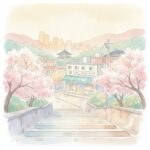
- Residential stairs and alleys seen in international festival films require quiet visits to respect local residents.






Film Sets and Landmarks (4)
Film Sets and Landmarks: what to know first
- Dedicated outdoor film sets occasionally close for active production or routine structural maintenance during the year.
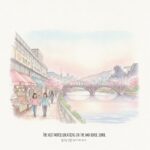
- Major public bridges and river parks require walking significant distances between the nearest transit stops.
- Theme parks and historical parks charging admission fees may require purchasing entrance tickets at the gate.




FAQ
How can I check if a Korean movie set is still standing before visiting?
Check recent visitor updates on local travel blogs or map applications like Naver Map. Temporary film sets constructed specifically for a single production are usually dismantled shortly after filming completes, whereas permanent historical theme parks remain open.
Is public transportation sufficient to reach regional movie locations in Korea?
High-speed trains and intercity buses connect major regional cities easily. However, rural film spots may require taking local taxis or local buses that run on limited daily schedules, so checking timetables in advance is essential.
Are there etiquette rules for visiting residential filming locations?
Yes. Keep noise levels low, avoid photography aimed directly into private home windows, and dispose of trash properly. Many iconic scenes are shot in quiet neighborhoods where residents live and work daily.
Prefer newest first? Browse all Movie Locations posts. Other guides: Drama Locations · Day Trips · Seoul Drama Spots · Fan Travel Tips · Themed Itineraries